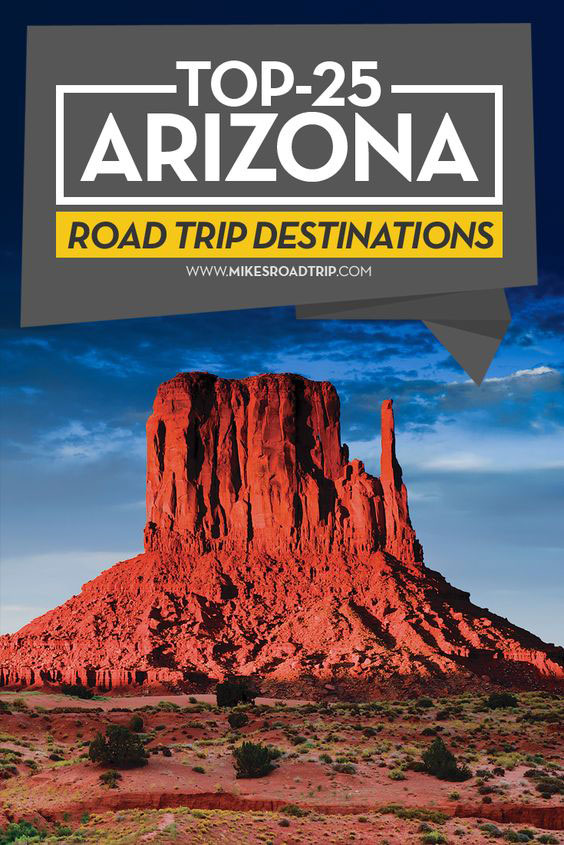

From the Sonoran Desert to Pikes Peak: A Southwest Road Trip Guide from Phoenix to Colorado Springs
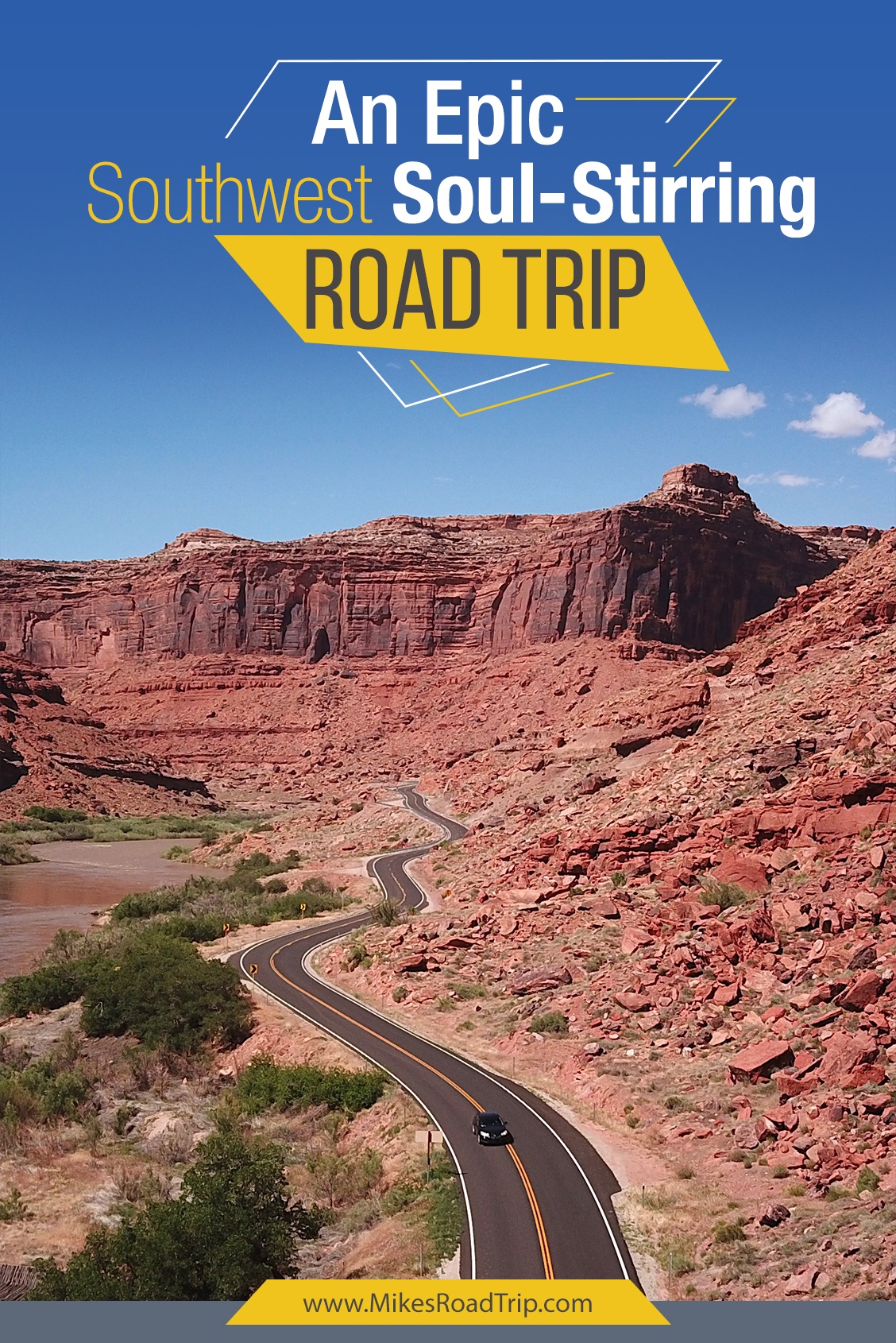
There are faster ways to drive from Phoenix to Colorado Springs, but few that reveal the American Southwest with such cinematic and soul-stirring variety. This loop begins in the cactus-studded Sonoran Desert, climbs through the ponderosa pines of Flagstaff, then pushes north into a vast and ancient landscape shaped by wind, time, and story. Along the way, the road threads through the western edge of the Painted Desert, across the Navajo Nation, past the sandstone sentinels of Monument Valley, into the quiet red-rock corridors of southeast Utah, and onward to the cliff dwellings of Mesa Verde, the mountain-town charm of Durango, and the restorative waters of Pagosa Springs before reaching the grand resort elegance of the Broadmoor in Colorado Springs.

The return journey is no afterthought, winding through historic Santa Fe, Route 66, Canyon de Chelly, Winslow, and the Arizona high-country towns of Pine, Strawberry, and Payson. More than a route between two cities, this is a grand loop through the layered beauty, history, and wide-open wonder of the Southwest.
Day 1: Phoenix to Flagstaff
Approximate drive time: 2.5 hours without stops
Recommended pace: Half day
Route: I-17 north from Phoenix to Flagstaff
The journey begins with one of Arizona’s most dramatic landscape transitions. Leaving Phoenix, I-17 climbs out of the Sonoran Desert, where saguaros, palo verde trees, and rugged brown ridgelines gradually give way to juniper, high-desert grasslands, and eventually the cool ponderosa pine forests surrounding Flagstaff. In just a few hours, the road rises from desert floor to mountain town, setting the tone for the scenic variety that defines this Southwest road trip loop from Phoenix to Colorado Springs.
Highlights Along the Way
- Black Canyon City — A convenient early stop for fuel, coffee, or a quick stretch.
- Verde Valley Views — As the highway gains elevation, the scenery opens into broad high-desert vistas.
- Sedona Detour Option — If time allows, detour through Sedona and Oak Creek Canyon for one of Arizona’s most scenic drives.
- Historic Downtown Flagstaff — A walkable mountain-town district with restaurants, breweries, shops, and Route 66 character.
- Lowell Observatory — A worthwhile evening stop, especially given Flagstaff’s dark-sky reputation.
Optional Detour: Sedona and Oak Creek Canyon
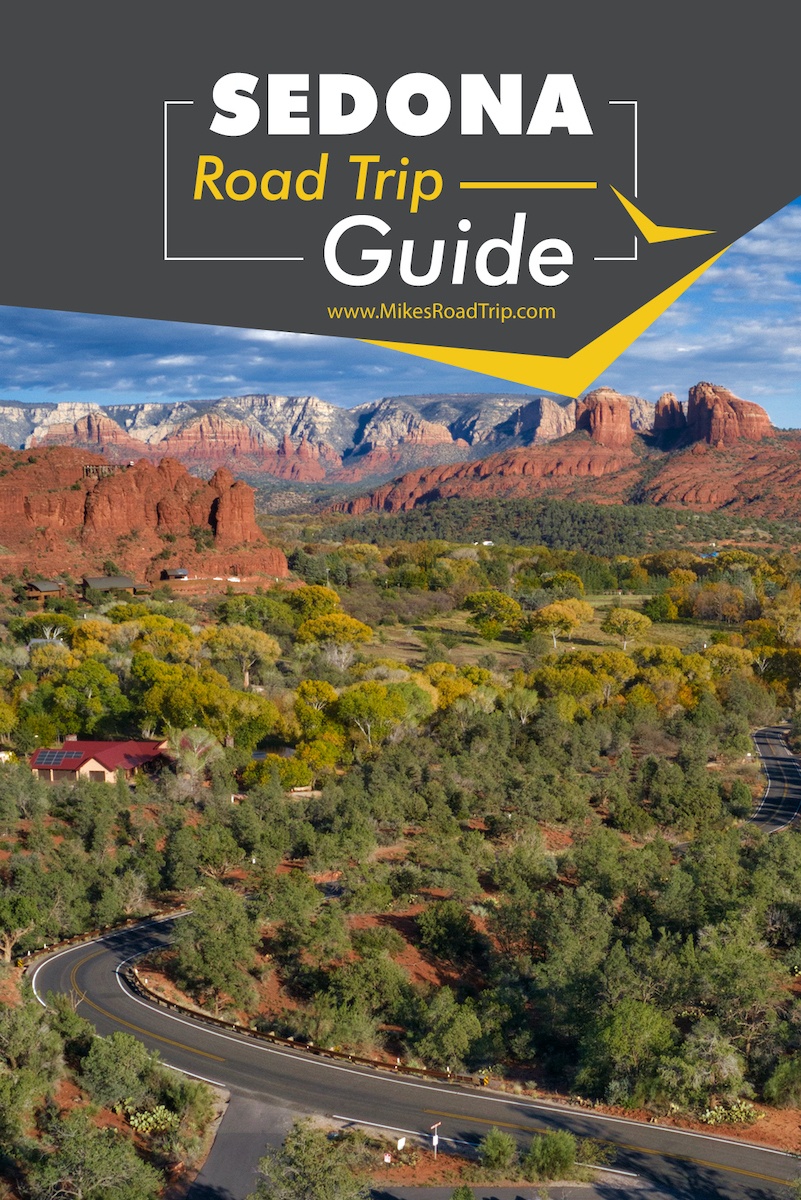
If this is your first time in Arizona, Sedona is hard to pass up. Even a brief drive through the red rocks can add a memorable layer to the day. For the most scenic approach into Flagstaff, continue north through Oak Creek Canyon, where the road winds through forested cliffs and switchbacks before emerging near Flagstaff.
That said, Sedona can easily become a trip of its own. If you want to preserve more time for Monument Valley, Mesa Verde, Durango, and Colorado Springs, continue directly to Flagstaff and save Sedona for another adventure.
Where to Stay
Spend the night in Flagstaff (Little America is a great choice) to break up the drive and start the next morning fresh. It gives the trip a relaxed rhythm and places you in an ideal position to continue north on Highway 89 toward the Painted Desert region, Tuba City, and Monument Valley.
Why Stop Here
Flagstaff is more than a convenient overnight. At roughly 7,000 feet, it offers a complete change of climate and character from Phoenix. Cooler temperatures, pine forests, historic architecture, craft breweries, and dark skies make it a fitting first stop on this desert-to-Rockies loop.
Best for: Cooler temperatures, historic downtown, breweries, restaurants, Route 66 atmosphere, dark skies, and an easy launch point for Day 2.
Day 2: Flagstaff to Monument Valley via Highway 89
Approximate drive time: 3.5 to 4 hours without major stops
Recommended pace: Full day
Route: Flagstaff → Highway 89 north → Highway 160 through Tuba City → Monument Valley
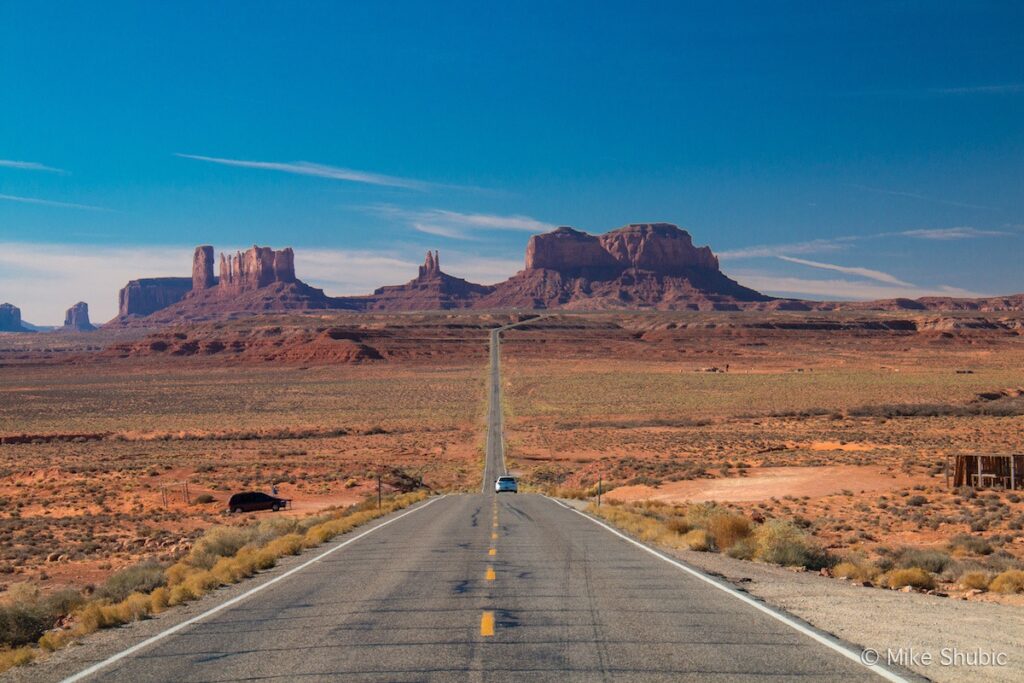
Day two is where this road trip begins to feel expansive. Leaving the pine forests of Flagstaff behind, Highway 89 heads north into a more open, elemental version of Arizona, where the land stretches wide and the horizon seems to pull farther away with every mile. The route follows the western edge of the Painted Desert region before veering east on Highway 160 through Tuba City and across Navajo Nation, where the scenery becomes increasingly cinematic on the approach to Monument Valley.
Highlights Along the Way
- Wupatki National Monument — A worthwhile optional detour featuring ancient pueblo ruins set against a stark, windswept landscape.
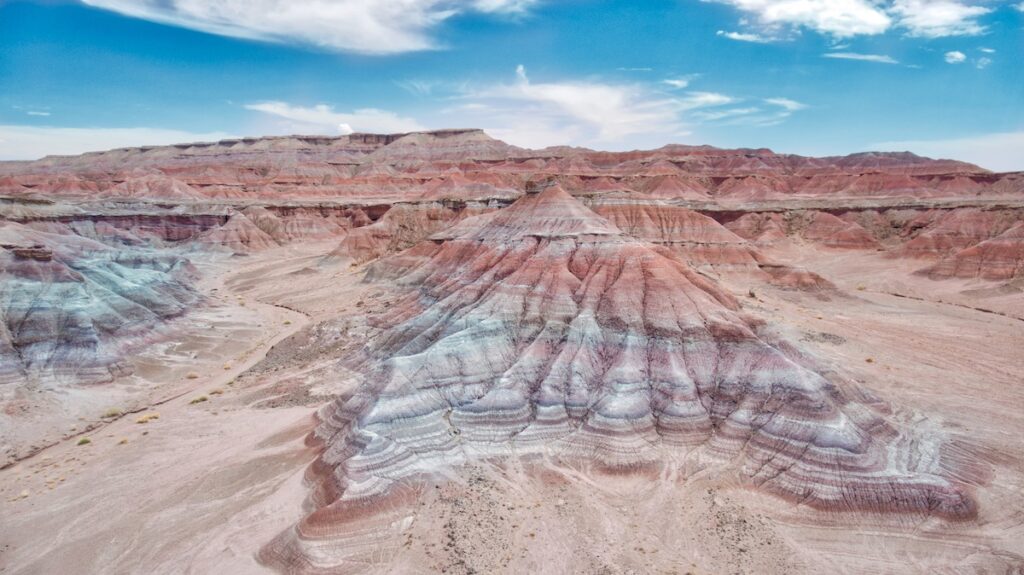
- Painted Desert Scenery — Watch for subtle bands of color, eroded hills, and long desert views as the road pushes north.
- Tuba City — A practical stop for fuel, food, and a deeper sense of the Navajo Nation communities along this route.
- Navajo Nation Landscapes — Wide-open country, distant mesas, and lonely stretches of highway give this portion of the drive its unmistakable Southwest character.
- First Views of Monument Valley — As the sandstone buttes begin to rise in the distance, the drive takes on a more iconic, almost cinematic quality.
Optional Detour: Sunset Crater & Wupatki National Monument
If you have time, consider adding Sunset Crater and Wupatki National Monument before continuing north. The ancient pueblo structures, open grasslands, and volcanic terrain make this a compelling stop, especially when paired with nearby Sunset Crater. It adds time to the day, but it also provides valuable context for the long human history of this region.
Arrival in Monument Valley
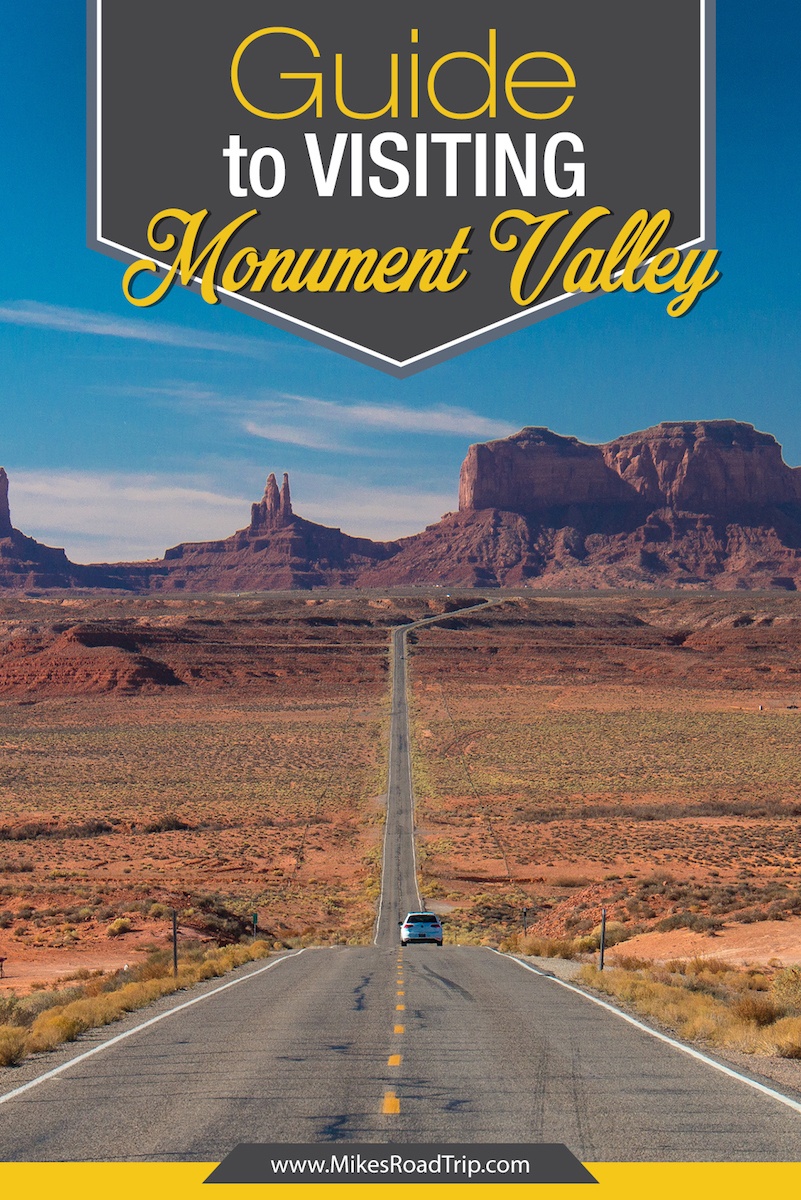
Few landscapes announce themselves quite like Monument Valley. The approach is part of the experience, with the road unfolding across a vast desert stage of red earth, sandstone towers, and open sky. By late afternoon, the shadows begin to stretch across the valley floor, creating the kind of light that makes you understand why this place has appeared in so many films, photographs, and road trip fantasies.
This is a place to slow down. Rather than treating Monument Valley as a quick photo stop, plan to spend the night so you can experience either sunset, sunrise, or ideally both.
Where to Stay
For a classic Monument Valley experience, stay as close to the landscape as possible.
- The View Hotel / The View Cabins or Campground — One of the most immersive places to stay in Monument Valley, with hotel rooms, private cabins, RV sites, and campsites positioned to take advantage of the valley views.
- Goulding’s Lodge — A historic and iconic option with lodge rooms, campground/RV accommodations, dining, a museum, and sweeping views of the surrounding mesas.
Why Stop Here
Monument Valley is not just another scenic stop; it is one of the defining landscapes of the American Southwest. Spending the night allows the place to unfold in a way that a quick drive-through never could. The colors change constantly, the buttes seem to shift with the light, and the silence of the desert becomes part of the experience.
Best for: Iconic Southwest scenery, sunrise and sunset photography, cabins or camping, Navajo Nation landscapes, and one of the most memorable overnight stops on the route.
Day 3: Monument Valley, Valley of the Gods, Mexican Hat and Bluff
Approximate drive time: 1.5 to 2.5 hours, depending on detours
Recommended pace: Full day
Route: Monument Valley → Mexican Hat → Valley of the Gods → Goosenecks State Park optional detour → Bluff, Utah
Day three is one of the most visually rewarding stretches of the entire road trip. Start early in Monument Valley, where sunrise brings the sandstone buttes to life in shades of red, orange, and gold. From there, continue north toward Mexican Hat, tracing a route through classic canyon country before exploring the quieter, less-crowded landscapes of southeast Utah. This is a day best taken slowly, with time for scenic pullouts, short detours, dusty backroads, and a relaxed arrival in Bluff.
Highlights Along the Way
- Monument Valley Sunrise — If you stayed overnight in the valley, wake early. Sunrise is one of the most memorable times to experience the landscape.
- Forrest Gump Point — An optional photo stop north of Monument Valley, made famous by the film. It offers one of the most recognizable road views in the Southwest.
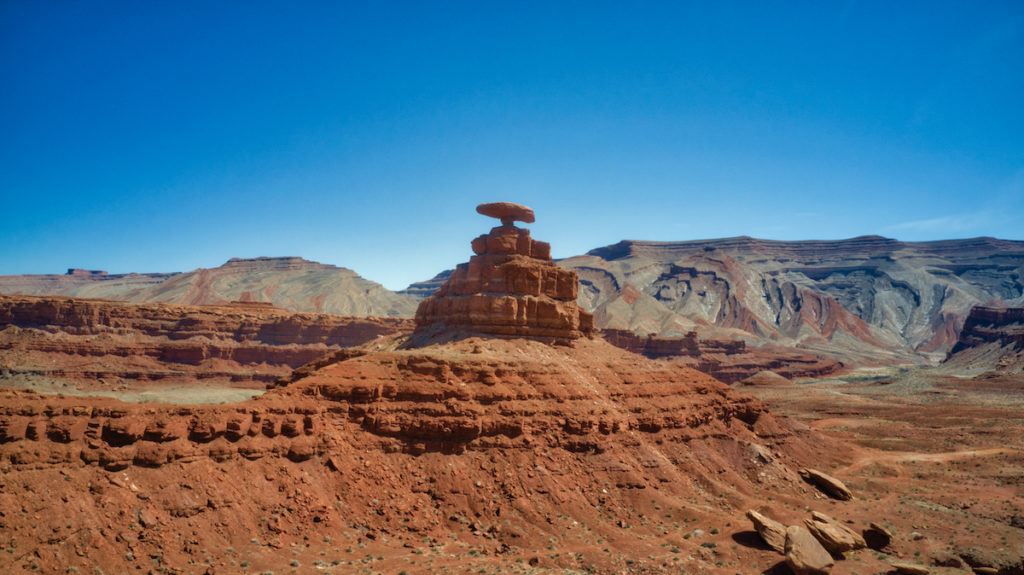
- Mexican Hat Rock Formation — A quirky roadside landmark named for its sombrero-like shape, located near the small community of Mexican Hat.
- Valley of the Gods Scenic Drive — A beautiful, unpaved scenic route through red rock formations, open desert, and sandstone monoliths.
- Goosenecks State Park — A worthwhile detour for a sweeping view of the San Juan River carving tight bends through the canyon below.
- Bluff Historic District — A small but fascinating area tied to Mormon pioneer history and early settlement in southeast Utah.
- Twin Rocks Area — One of Bluff’s signature landmarks, with dramatic sandstone formations rising near town.
Scenic Drive: Valley of the Gods
Valley of the Gods is often compared to a smaller, quieter cousin of Monument Valley, but it has a character all its own. The road winds through isolated sandstone formations, wide-open desert, and vast red-rock scenery without the crowds often found at more famous Southwest landmarks.
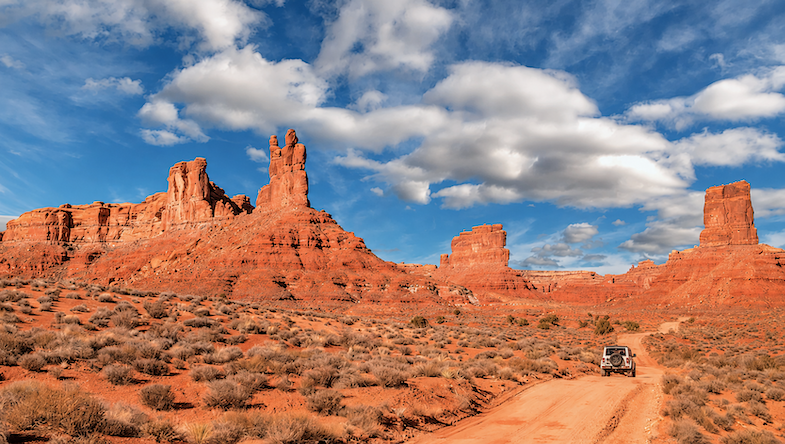
The drive is unpaved, so check road conditions before entering, especially after rain. In dry weather, many standard vehicles can usually handle the route, but a high-clearance vehicle is helpful and makes the drive more comfortable.
Optional Detour: Goosenecks State Park
If time allows, add the short detour to Goosenecks State Park. The overlook offers a dramatic view of the San Juan River twisting through a deep canyon in a series of tight bends. It is a quick stop, but the scale of the landscape makes it well worth the extra time.
Arrival into Bluff, Utah
Bluff is the kind of place that rewards travelers who are not in a hurry. It is quieter than Moab, less crowded than many national park gateway towns, and surrounded by red rock history, archaeological sites, scenic drives, and big-sky desert beauty. After the visual drama of Monument Valley and Valley of the Gods, Bluff makes an ideal place to slow down, have a good meal, and settle into the rhythm of southeast Utah.
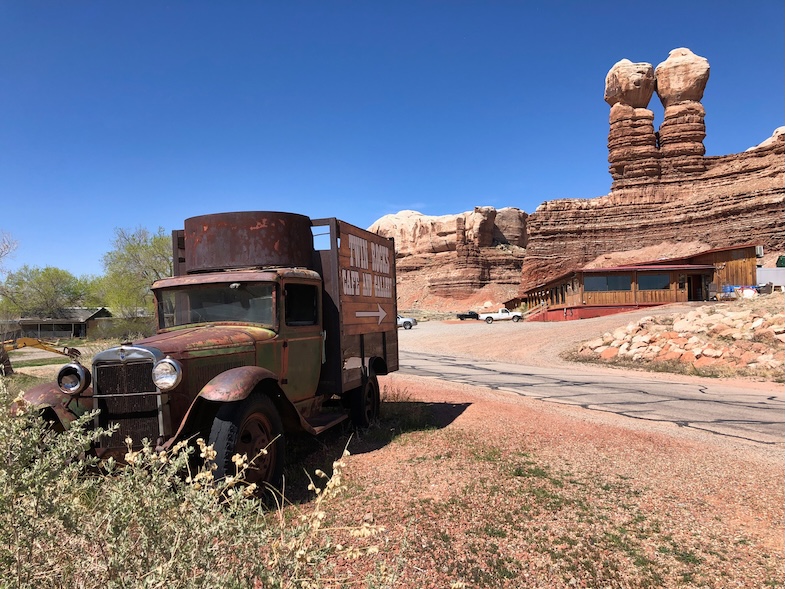
Where to Stay in Bluff, Utah
- Bluff Dwellings Resort & Spa — The upscale, design-forward choice in Bluff. This is a great option for travelers who want comfort, style, and a restorative stay after a dusty day of red-rock exploration.
- Desert Rose Resort & Cabins — A rustic-chic property with cabins, lodge-style accommodations, and an on-site restaurant, making it a strong base for exploring Bluff, Bears Ears, Monument Valley, and Valley of the Gods.
Why Stop Here
Bluff is not a place to rush through. It has the rare quality of feeling both remote and comfortable, with enough history, scenery, and nearby exploration to justify an overnight stay. It is also perfectly positioned between Monument Valley and Mesa Verde, making it one of the most logical and enjoyable stops on this Southwest loop.
Best for: Red rock scenery, slow travel, scenic backroads, archaeology, history, quieter lodging, and a peaceful overnight between Monument Valley and Mesa Verde.
Day 4: Bluff to Mesa Verde and Durango
Approximate drive time: 2.5 to 3 hours without extended stops
Recommended pace: Full day
Route: Bluff → Cortez → Mesa Verde National Park → Durango
Day four brings a meaningful shift in the journey, moving from the open red-rock landscapes of southeast Utah into the archaeological heart of the Four Corners region before ending in one of Colorado’s most enjoyable mountain towns. Leaving Bluff, the road heads toward Cortez and Mesa Verde National Park, where cliff dwellings and mesa-top sites offer a powerful look into the lives of the Ancestral Pueblo people. From there, continue on to Durango, a historic railroad town with mountain character, walkable streets, excellent restaurants, and easy access to the Animas River.
Highlights Along the Way
- Four Corners Region Scenery — This stretch connects Utah, Colorado, Arizona, and New Mexico through a landscape shaped by mesas, canyons, tribal lands, and ancient history.
- Cortez, Colorado — A practical stop for fuel, food, and supplies before entering Mesa Verde National Park.
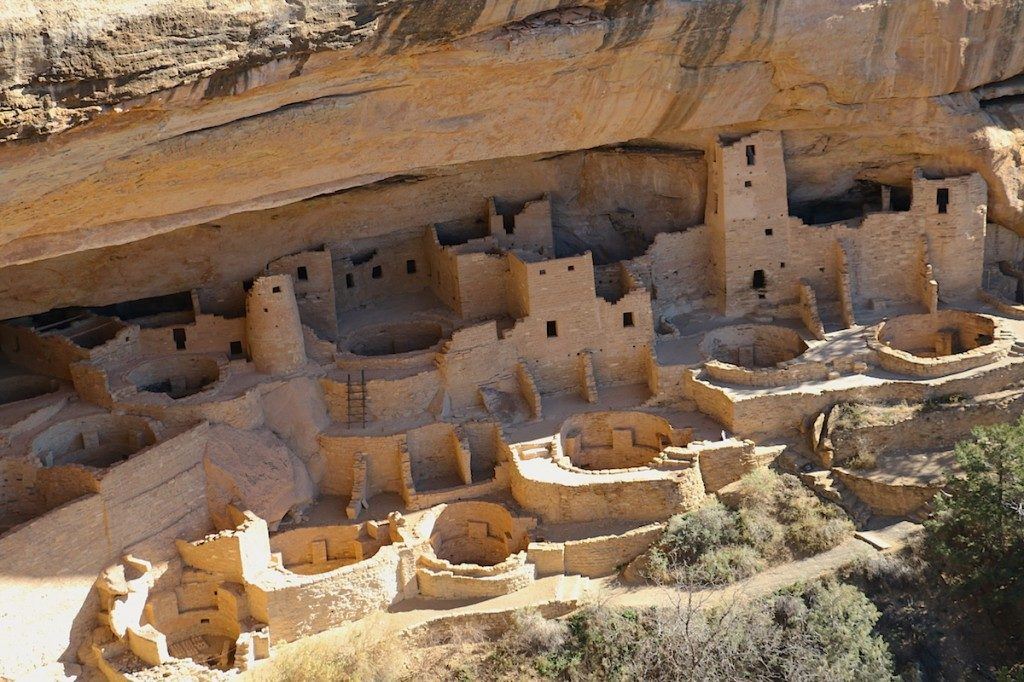
- Mesa Verde National Park — One of the most important archaeological destinations in the country, known for its remarkably preserved cliff dwellings.
- Cliff Palace / Balcony House / Long House — Depending on the season and tour availability, these are among the park’s signature cliff dwelling experiences.
- Mesa Top Loop Road — A good option for travelers who want scenic overlooks and archaeological sites without committing to a guided cliff dwelling tour.
- Durango Historic Downtown — A lively, walkable district with shops, restaurants, breweries, galleries, and preserved Western architecture.
- Durango & Silverton Narrow Gauge Railroad — One of Durango’s signature attractions and a classic Colorado rail experience.
Main Stop: Mesa Verde National Park
Mesa Verde is the centerpiece of the day and deserves more than a quick glance. The park protects hundreds of archaeological sites, including some of the best-preserved cliff dwellings in North America. Even if you only have a few hours, the combination of mesa-top views, ancient architecture, and cultural history makes this one of the most significant stops on the entire route.
If you want to tour one of the major cliff dwellings, check availability in advance. Some sites require ranger-guided tickets, and access can vary by season. For a more flexible visit, drive the scenic roads, stop at overlooks, and explore the mesa-top sites that help tell the broader story of the people who lived here for centuries.
Arrival in Durango
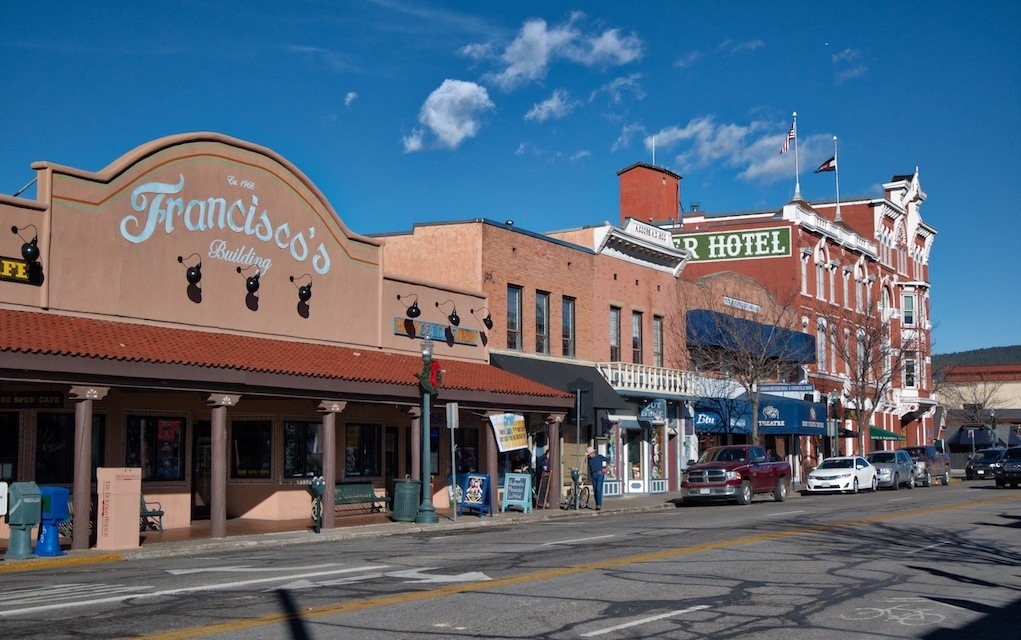
After Mesa Verde, continue east to Durango. This is one of those towns that feels tailor-made for a road trip overnight: compact enough to explore on foot, historic enough to feel distinctive, and lively enough to reward an evening out. The old brick buildings, mountain-town energy, restaurants, breweries, and river access make Durango a natural place to pause before continuing toward Pagosa Springs and the San Juan Mountains.
Where to Stay
- Blue Lake Ranch — Located outside Durango, Blue Lake Ranch is a peaceful and highly recommended option for travelers who want a quieter, more scenic stay. With its ranch setting, gardens, mountain views, and comfortable accommodations, it is ideal after a day of dusty roads and archaeological exploration.
- Historic Strater Hotel — Located right in downtown Durango, the Strater is the classic choice if you want to park the car and walk to shops, restaurants, the Animas River, and the Durango & Silverton Narrow Gauge Railroad. It is a historic hotel with plenty of character and a strong sense of place.
Why Stop Here
Durango is more than a convenient overnight. It is one of the best towns on the route for combining history, scenery, dining, shopping, and walkability. After several days of vast desert landscapes and remote red-rock roads, Durango provides a welcome change of pace with a lively downtown and mountain-town charm.
Best for: Mesa Verde access, historic hotels, walkable downtown, restaurants, breweries, railroad history, mountain scenery, and a comfortable overnight before heading toward Pagosa Springs.
Day 5: Durango to Colorado Springs via Pagosa Springs and Pueblo
Approximate drive time: 6.5 to 7.5 hours without extended stops
Recommended pace: Full travel day
Route: Durango → Pagosa Springs → Wolf Creek Pass → San Luis Valley / southern Colorado → Pueblo → Colorado Springs
Day five is the longest driving day of the outbound route, but it is also one of the most scenic. Leaving Durango, Highway 160 heads east through southwest Colorado, passing mountain valleys, forested ridgelines, and the welcoming hot springs town of Pagosa Springs before climbing toward Wolf Creek Pass (fantastic place for winter skiing). From there, the route gradually opens into southern Colorado’s broader landscapes before continuing through Pueblo and finally arriving in Colorado Springs.
Highlights Along the Way
- Durango Morning — Grab breakfast or coffee before leaving town, especially if you stayed downtown near the shops, river, or train depot.
- Pagosa Springs — A worthwhile mid-route stop for lunch, a short walk along the San Juan River, or a quick soak if you get an early start.
- Wolf Creek Pass — One of the most dramatic mountain sections of the drive, with high-elevation scenery and forested views.
- Southern Colorado Scenery — Expect a changing landscape of mountain valleys, open plains, ranchland, and distant peaks.
- Pueblo Riverwalk — If time allows, Pueblo makes a practical late-day stop for food, fuel, or a quick walk before the final push north.
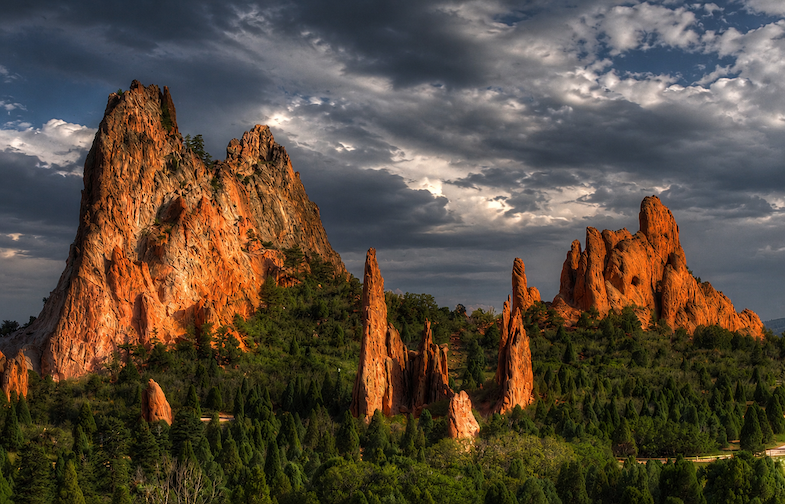
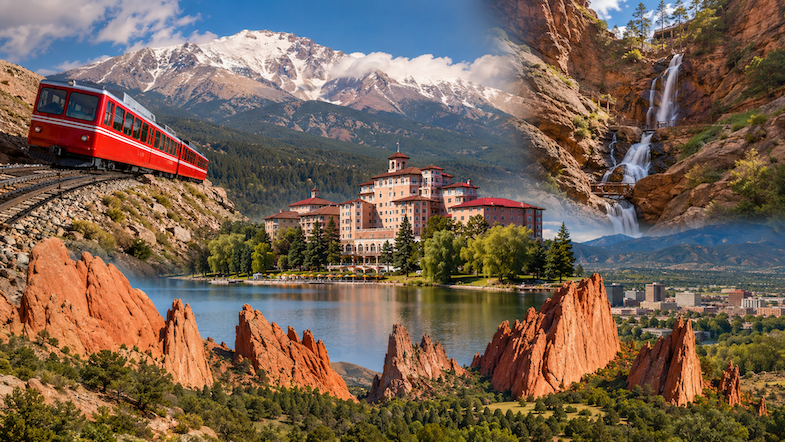
- Arrival in Colorado Springs — Settle in for the night and save Garden of the Gods, Pikes Peak, Manitou Springs, and The Broadmoor experience for the next day.
While Pagosa Springs could easily justify an overnight on a longer itinerary, in this 7-day version it works best as a scenic break between Durango and Colorado Springs. Stretch your legs along the river, grab lunch, or simply enjoy the mountain-town atmosphere before continuing east.
If you start early and want to make the day feel less like a marathon drive, this is the best place to build in a longer pause.
Optional Stop: Pueblo
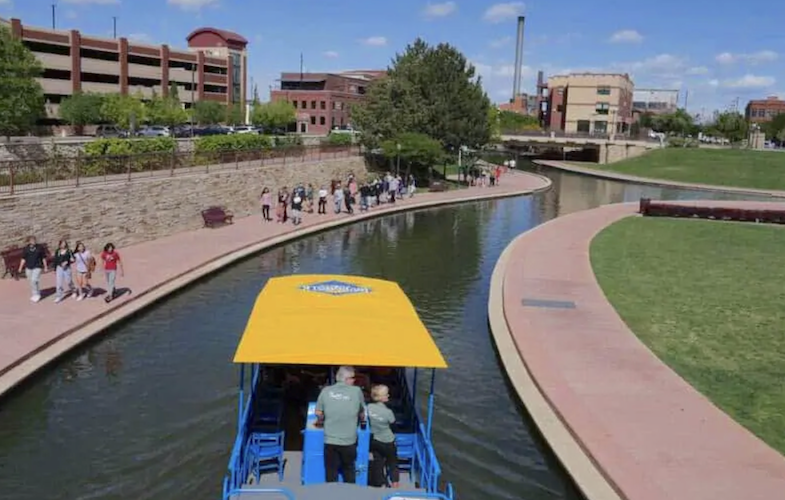
Pueblo is a convenient final stop before reaching Colorado Springs. The Historic Arkansas Riverwalk area is a good place to walk, get a meal, or take a short break from the road. If you are running late, continue directly to Colorado Springs and save your energy for the next day.
Where to Stay in Colorado Springs
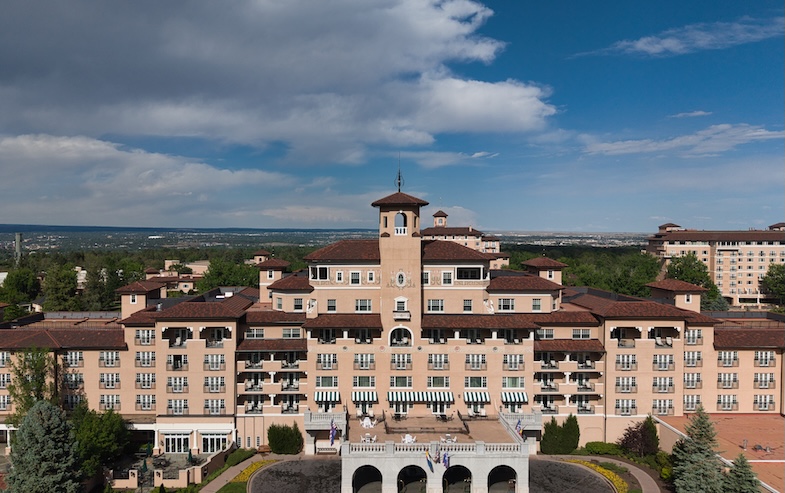
- The Broadmoor — The bucket-list stay of this road trip. After several days of red-rock roads, national parks, historic towns, and long scenic drives, The Broadmoor offers a grand and memorable arrival in Colorado Springs.
- Downtown Colorado Springs — A practical alternative if you want restaurants, breweries, and nightlife within easier walking distance.
- Manitou Springs — A charming option if you prefer a smaller, artsy town closer to Garden of the Gods and Pikes Peak.
Why This Works in a 7-Day Itinerary
Combining Durango to Colorado Springs into one day keeps the overall loop tighter while still preserving the most important scenic and cultural stops earlier in the trip: Monument Valley, Valley of the Gods, Bluff, Mesa Verde, and Durango. It does mean sacrificing an overnight in Pagosa Springs, but the route still allows you to enjoy it as a worthwhile stop along the way.
Best for: Mountain scenery, a longer but rewarding travel day, Pagosa Springs as a scenic break, Pueblo as a practical stop, and arriving in Colorado Springs in time for a full destination day.
Day 6: Colorado Springs to Santa Fe via Las Vegas, New Mexico
Suggested Stop: Pagosa Springs
Approximate drive time: 5.5 to 6.5 hours without extended stops
Recommended pace: Full travel day with a late-afternoon arrival in Santa Fe
Route: Colorado Springs → Pueblo → Las Vegas, New Mexico → Santa Fe
Day six begins the return leg of the loop, trading Colorado’s Front Range for the historic towns, high desert, and adobe architecture of northern New Mexico. After leaving Colorado Springs, the route heads south through Pueblo and into New Mexico, where the landscape gradually shifts from mountain foothills to open plains, mesas, and the distinctive colors of the Southwest. The goal for the day is Santa Fe, but the historic town of Las Vegas, New Mexico makes a worthwhile stop along the way.
Highlights Along the Way
- Morning in Colorado Springs — If time allows, squeeze in an early visit to Garden of the Gods or a relaxed breakfast before heading south.
- Pueblo — A practical stop for fuel, coffee, or a quick walk along the Riverwalk if you missed it on the way in.
- Las Vegas, New Mexico — A historic railroad and Old West town with vintage architecture, film locations, and a less-polished charm than Santa Fe.
- Northern New Mexico Scenery — Watch as the landscape shifts into high desert, with long views, adobe tones, and open sky.
- Santa Fe Arrival — Plan to arrive with enough time for an evening walk near the Plaza, dinner, or a stroll through the historic district.
Suggested Stop: Las Vegas, New Mexico
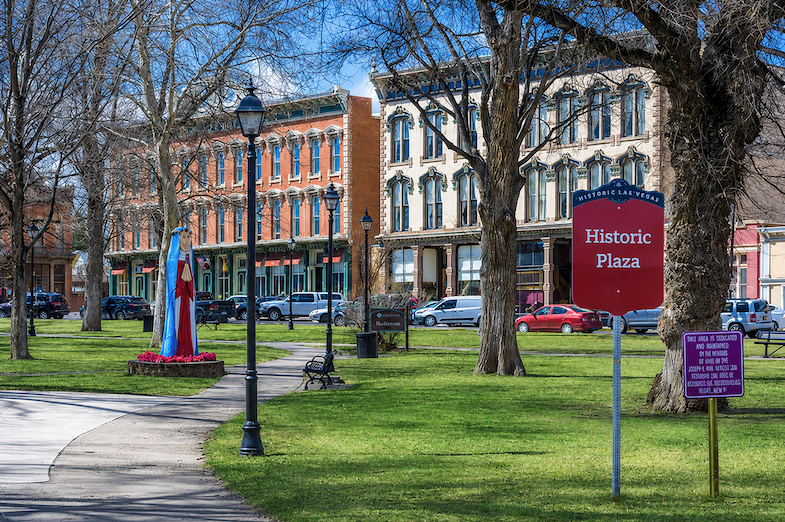
Las Vegas, New Mexico is one of those places many travelers pass without realizing what they are missing. This is not the neon version of Las Vegas, but a historic railroad town filled with old hotels, frontier-era buildings, and a cinematic sense of faded grandeur. It makes a great mid-route stop for lunch, coffee, or a short walk before continuing to Santa Fe.
Arrival in Santa Fe
Santa Fe is one of the most rewarding overnight stops on the return route. After several days of red-rock roads, mountain towns, and long scenic drives, the city offers a different kind of road trip pleasure: art galleries, adobe architecture, historic churches, excellent restaurants, boutique hotels, and walkable streets layered with culture and history.
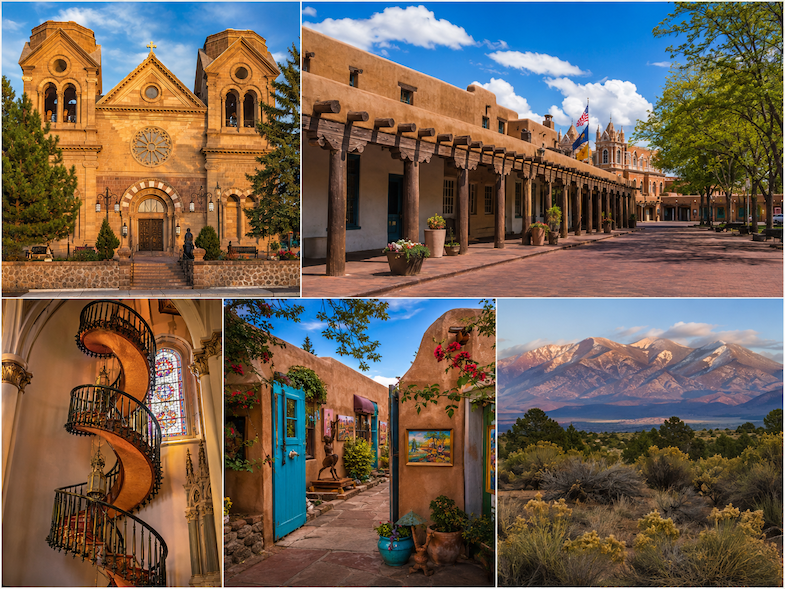
If you arrive before sunset, head toward the Santa Fe Plaza, wander the surrounding streets, or make your way to Canyon Road if you want a quick taste of the city’s gallery scene. For dinner, Santa Fe offers everything from refined Southwestern cuisine to casual New Mexican classics.
Where to Stay
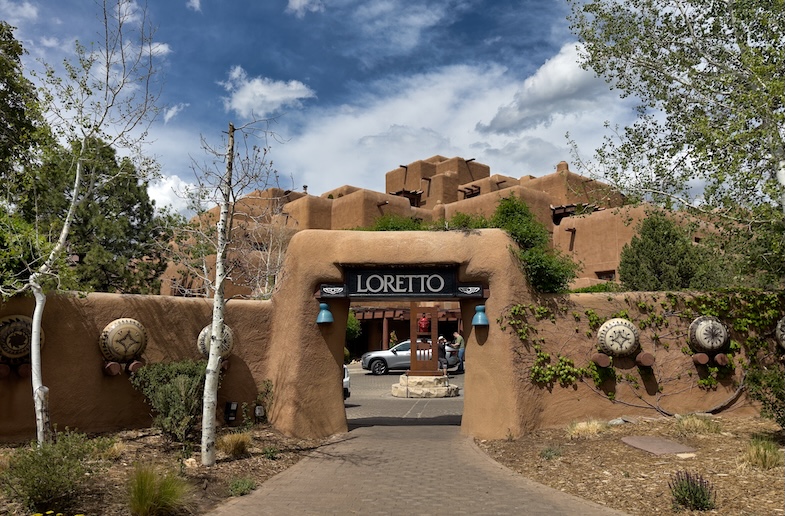
- Inn and Spa at Loretto — A strong choice if you want to be within walking distance of the historic downtown, Santa Fe Plaza, shops, galleries, and restaurants.
- La Posada de Santa Fe — A lovely historic resort-style property with classic Santa Fe character and easy access to downtown.
- Bishop’s Lodge — A fantastic choice if you do not mind staying a bit outside of downtown and want a more secluded, upscale resort experience.
Why Stop Here
Santa Fe gives the return leg real weight rather than making it feel like a simple drive back to Phoenix. It brings art, architecture, food, history, and a refined Southwestern atmosphere into the loop, while also setting up the next day’s return through Gallup, Canyon de Chelly, Winslow, and Arizona’s high country.
Best for: Historic hotels, walkable downtown, art galleries, New Mexican cuisine, adobe architecture, and a memorable final overnight before returning to Arizona.
Day 7: Santa Fe to Winslow via Gallup and Canyon de Chelly
Approximate drive time: 5.5 to 7 hours, depending on detours
Recommended pace: Full day with scenic and historic stops
Route: Santa Fe → Gallup → Canyon de Chelly optional detour → Winslow
Day seven begins the return toward Arizona, but this is far more than a transit day. Leaving Santa Fe, the route heads west across New Mexico’s high desert toward Gallup, a historic Route 66 town known for trading posts, Native American art, and the landmark El Rancho Hotel. From there, travelers can continue directly toward Winslow or add a worthwhile detour to Canyon de Chelly, one of the most underrated national monuments in the Southwest.
Highlights Along the Way
- Santa Fe Morning — Enjoy breakfast near the Plaza before heading west.
- Gallup, New Mexico — A historic Route 66 stop with trading posts, vintage signs, and Southwestern character.
- El Rancho Hotel — A classic roadside landmark worth seeing, even if only for a quick walk through the lobby.
- Canyon de Chelly National Monument — A highly underrated detour with dramatic canyon overlooks, ancient cliff dwellings, and deep Navajo history.
- Painted Desert / I-40 Corridor — Big-sky scenery and wide-open views as you return to Arizona.
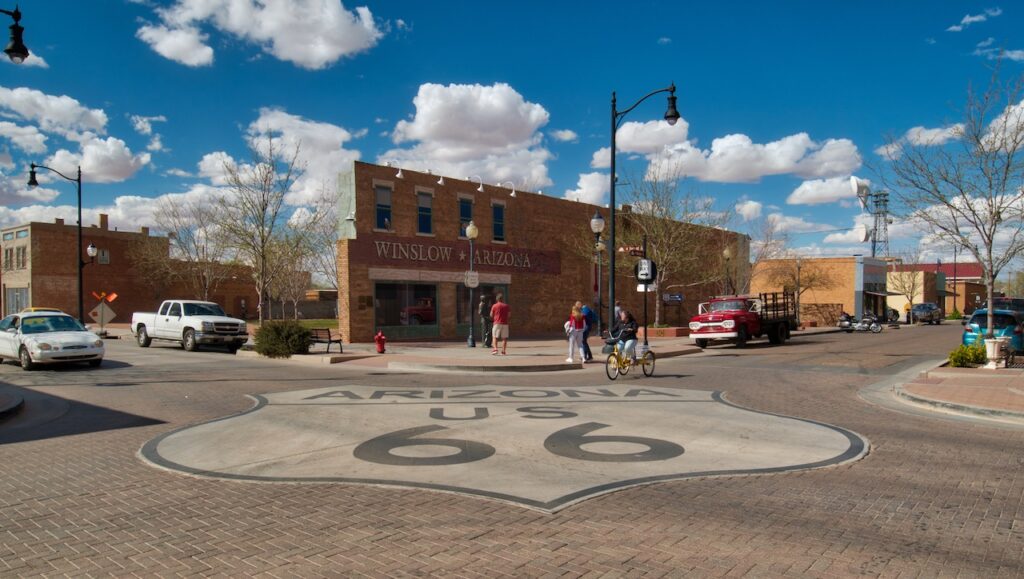
- Winslow, Arizona — A classic Route 66 overnight stop with railroad history, old-town charm, and the famous “Standin’ on the Corner” landmark.
Suggested Stop: Gallup and the El Rancho Hotel
Gallup makes a natural mid-route stop between Santa Fe and Winslow. It has long been a crossroads for Route 66 travelers, railroad history, trading posts, and Native American art. The town is not as polished as Santa Fe, but that is part of its appeal. Gallup has grit, history, and a sense of place that feels connected to the old Southwest.
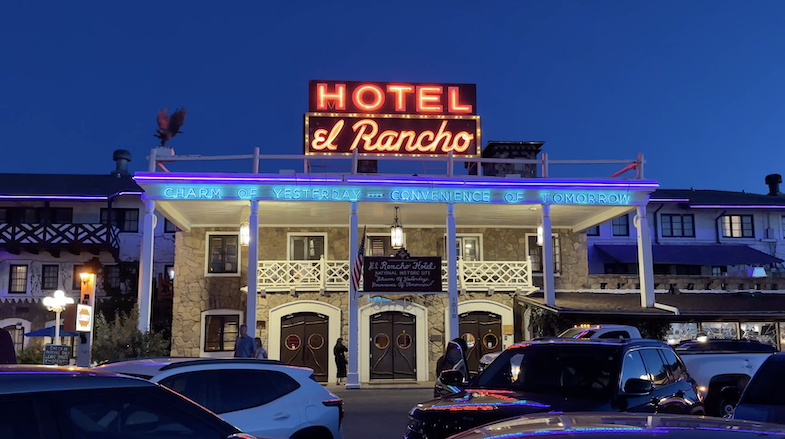
The historic El Rancho Hotel is the standout stop. Once a favorite lodging spot for Hollywood stars filming Westerns in the region, the hotel still has a wonderfully nostalgic lobby filled with old photos, wood details, and vintage Route 66 atmosphere. Even if you do not stay overnight, it is worth stopping in to look around.
Optional Detour: Canyon de Chelly National Monument
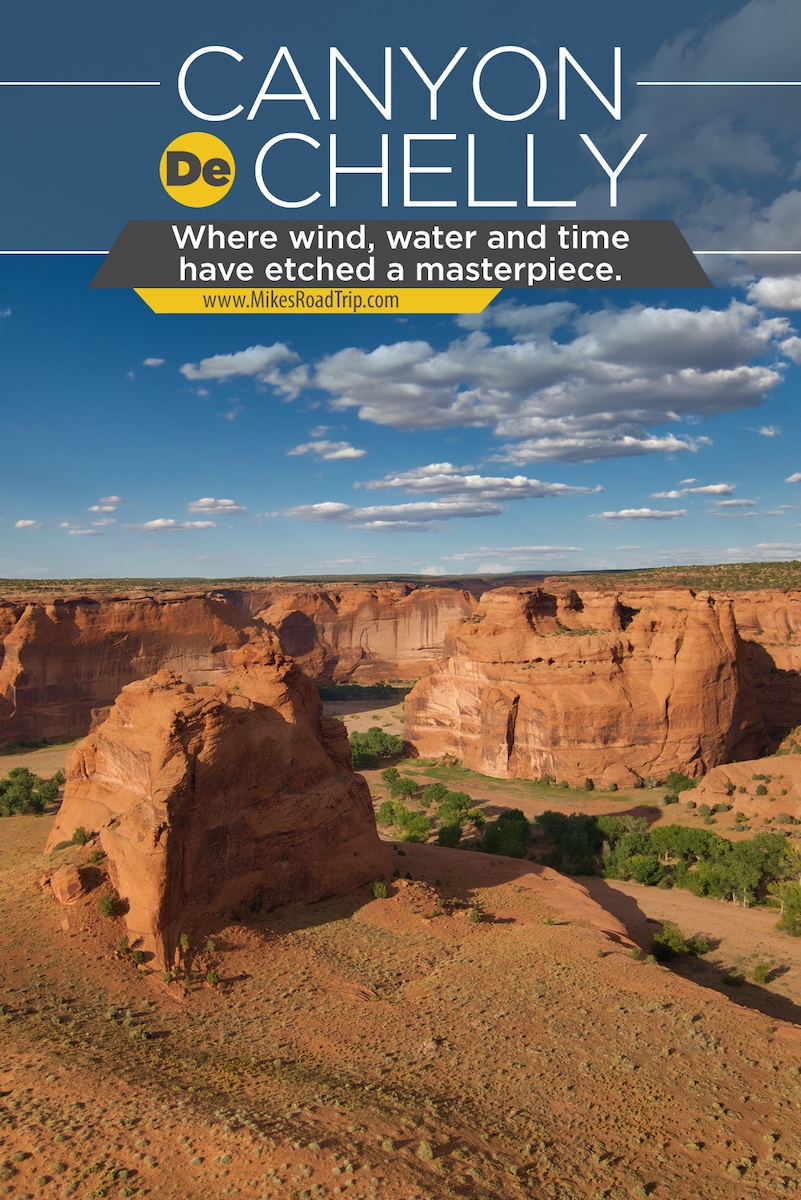
If time allows, divert north toward Canyon de Chelly National Monument near Chinle. This is one of the most overlooked highlights of the entire loop. Far fewer travelers make it here compared to places like Monument Valley or the Grand Canyon, yet the scenery is extraordinary.
The canyon is defined by sheer sandstone walls, sweeping overlooks, ancient cliff dwellings, and a living Navajo landscape that remains culturally significant today. For a shorter visit, focus on the South Rim Drive, including overlooks such as White House Overlook and Spider Rock Overlook. If you have more time, a guided canyon tour can add deeper context, as much of the canyon floor is accessible only with authorized Navajo guides.
Arrival into Winslow
Winslow is an ideal overnight on this version of the itinerary. It breaks up the return drive, keeps Day 7 manageable, and gives the trip one last dose of Route 66 nostalgia before the final scenic run back to Phoenix.
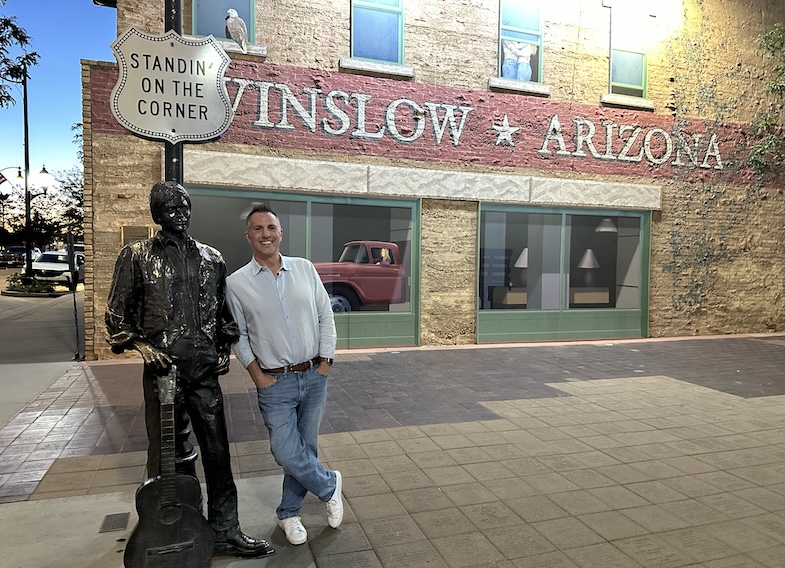
Most travelers know Winslow for Standin’ on the Corner Park, but the town is more than a photo stop. Its railroad history, vintage architecture, Route 66 identity, and historic hotels give it a surprisingly memorable character.
Where to Stay
- The Winslow — A newer, hip, modern hotel just off I-40. It is convenient, comfortable, and about 1.5 miles from old town, making it a strong choice for travelers who want an easy overnight stay with contemporary style.

- La Posada Hotel — One of the great historic railroad hotels of the Southwest. If you do not stay here, make time to walk through the property, explore the gardens and art, or have dinner at The Turquoise Room.
Why Stop Here
Ending the day in Winslow gives the return leg breathing room. Rather than pushing all the way back to Phoenix from Santa Fe, this overnight allows travelers to enjoy Gallup, consider Canyon de Chelly, and arrive in Winslow with enough energy to appreciate the town. It also sets up a more scenic final day through Pine, Strawberry, Payson, and Fountain Hills.
Best for: Route 66 history, Gallup trading-post culture, Canyon de Chelly, historic hotels, railroad heritage, and a relaxed final overnight before returning to Phoenix.
Day 8: Winslow to Phoenix via Pine, Strawberry, Payson and Fountain Hills
Approximate drive time: 3.5 to 4.5 hours without extended stops
Recommended pace: Half day to full day
Route: Winslow → Highway 87 south → Pine → Strawberry → Payson → Fountain Hills → Phoenix
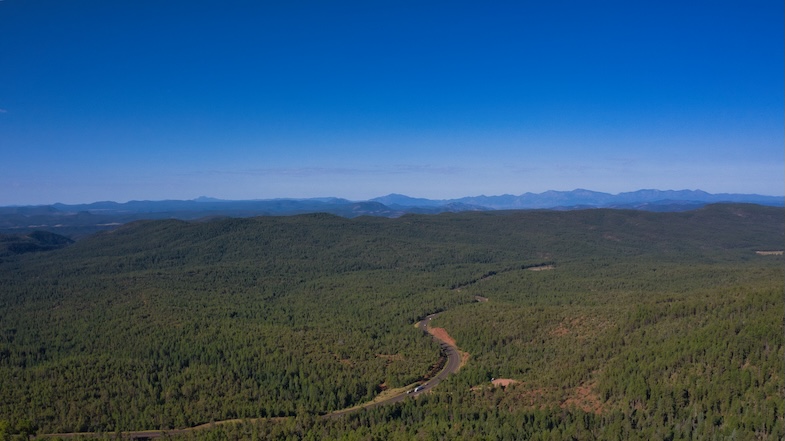
The final day of this Phoenix to Colorado Springs loop avoids the predictable interstate return and instead turns south through some of Arizona’s most enjoyable high-country scenery. Leaving Winslow, Highway 87 drops away from the Route 66 corridor and heads into a quieter stretch of the state, where open desert gradually gives way to pines, rim country, small mountain communities, and eventually the familiar descent back into the Valley of the Sun.
Highlights Along the Way
- Winslow Morning — Start with coffee, breakfast, or a final stroll through town before leaving Route 66 behind.
- Standin’ on the Corner Park — If you did not visit the night before, this is the essential Winslow photo stop.
- La Posada Hotel — Worth a morning walk-through even if you did not stay there, especially for the architecture, gardens, art, and railroad history.
- Highway 87 South — A more scenic and less expected return route than simply taking I-40 and I-17.
- Pine and Strawberry — Two small mountain communities that make excellent stops for coffee, lunch, antiques, local shops, or a final taste of Arizona high country.
- Payson — A practical stop for fuel, food, or a short break before descending toward the desert.
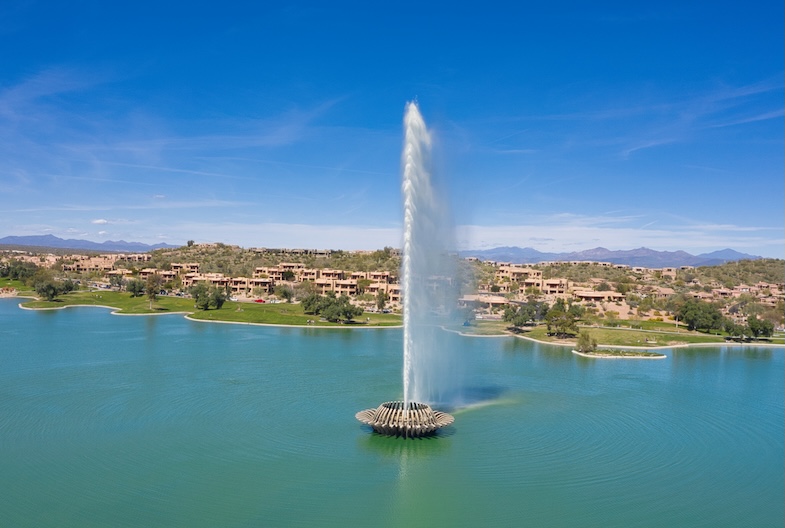
- Fountain Hills — A pleasant final stop before returning to Phoenix, especially if you want one last walk, coffee, or view of the famous fountain.
Morning in Winslow
Before leaving Winslow, take a little time to enjoy the town beyond the famous lyric. Standin’ on the Corner Park is the obvious stop, but Winslow’s railroad heritage and Route 66 atmosphere are what make it a memorable overnight rather than just a quick roadside photo. If you stayed at The Winslow, the morning can be easy and efficient. If you stayed at or near La Posada, allow time to walk the property before heading south.
Scenic Return: Highway 87 South
Rather than returning to Phoenix by way of I-40 and I-17, this route follows Highway 87 south, creating a far more interesting final leg. The drive gradually shifts from high-desert openness into the pines and cooler elevations of central Arizona before eventually descending back toward the Sonoran Desert.
This is the kind of road that gives the trip a better ending. Instead of feeling like the vacation is over the moment you leave Winslow, the final day still has texture: mountain towns, forested stretches, rim-country views, and one last reminder of Arizona’s remarkable variety.
Suggested Stops: Pine and Strawberry
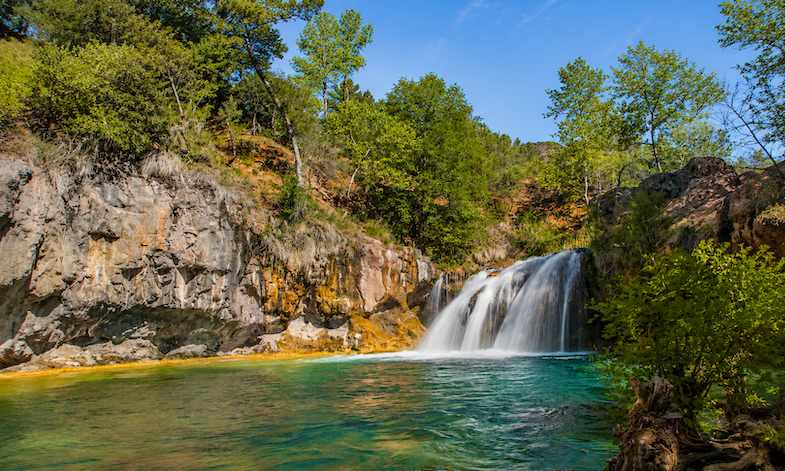
The small communities of Pine and Strawberry make ideal final-day stops. Both have a relaxed mountain-town feel, with cafes, small shops, local character, and a slower pace than the larger towns along the route. This is a good place to stop for lunch, grab coffee, browse a shop or two, or simply enjoy the cooler air before continuing south.
If you want to stretch your legs, this area also offers access to scenic trails and Mogollon Rim country, though for an 8-day itinerary, it may be best to keep the stop casual rather than adding a major hike.
Final Stop: Fountain Hills
Before heading west into Phoenix, consider a final pause in Fountain Hills. The town’s namesake fountain, desert setting, public art, and lakefront walking paths make it a pleasant place to ease back into the metropolitan area without ending the trip abruptly.
Why This Route Works
The final day brings the loop full circle in a way that feels intentional. After Monument Valley, Bluff, Mesa Verde, Durango, Colorado Springs, Santa Fe, Gallup, Canyon de Chelly, and Winslow, this last stretch through Pine, Strawberry, Payson, and Fountain Hills adds one more layer of Arizona scenery. It avoids the monotony of a straight interstate return and gives the trip a softer, more scenic landing back in Phoenix.
Best for: Route 66 nostalgia, scenic backroads, Arizona high country, small mountain towns, a relaxed final drive, and a more memorable return to Phoenix.
Conclusion
This Phoenix to Colorado Springs road trip loop is meant to be a guide, not a rigid itinerary. You could certainly compress the route into five or six days if your goal is to cover ground, focus on the major highlights, and keep moving. But the real beauty of this journey is how easily it expands. Add a night in Monument Valley, linger in Bluff, spend extra time exploring Mesa Verde, ride the train in Durango, soak longer in Pagosa Springs, enjoy a full resort stay at The Broadmoor, or give Santa Fe the two or three days it deserves, and suddenly this same route becomes a two- or three-week Southwest adventure.
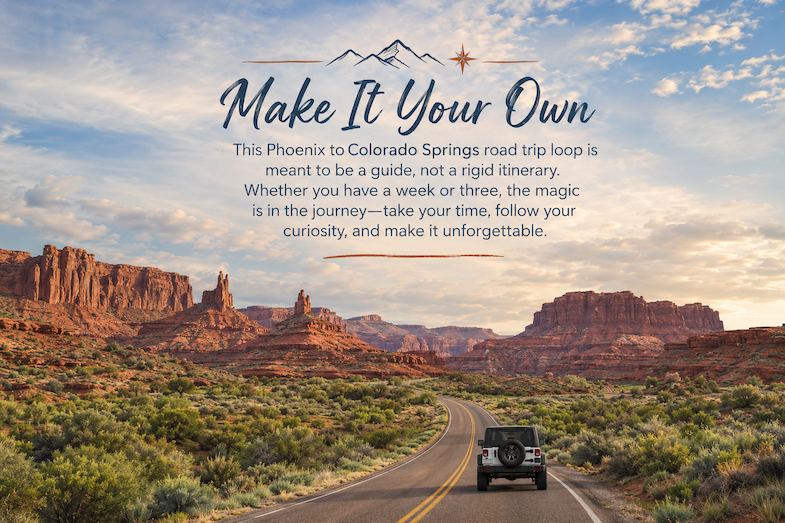
That flexibility is what makes the loop so rewarding. It can be a fast-paced road trip through some of the most iconic landscapes in the region, or it can become a deeper exploration of the Southwest’s layered history, Native cultures, canyon country, mountain towns, Route 66 nostalgia, and desert-to-alpine scenery. However you pace it, the route offers far more than a drive from Phoenix to Colorado Springs. It is a sweeping journey through the changing moods of the Southwest, where every turn seems to reveal another reason to slow down, pull over, and take it all in.
If you have any questions about this Phoenix to Colorado Springs road trip, leave a comment below, happy to help. So, until next time, we’ll see ya on the road…
Mike Shubic





![Top-5 Best Places to visit in Belgium beyond Brussels [video included]](https://mikesroadtrip.com/wp-content/uploads/2020/07/Pin-6b.jpg)
![Top-10 Most Interesting Facts about Arizona [Video Included]](https://mikesroadtrip.com/wp-content/uploads/2020/07/Pin-2.jpg)