Night Drives Across America With Scenic Routes and Essential Gear for After-Dark Road Trips
Some drives feel better after sunset. After sunset, the road changes fast. The air cools, traffic falls away, and on remote stretches the sky can become the main reason to stop. Night driving also asks for more discipline. Fatigue, wildlife, fog, sharp bends and poor lighting can change a relaxed trip fast.
Gear to check before the road gets dark
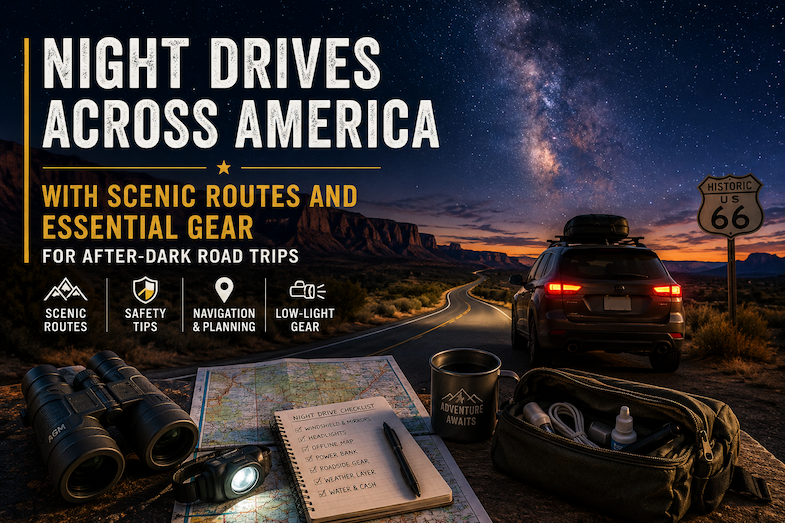
Do the car checks while the road is still visible. Wash the windshield before leaving town. Clean the windshield before the first dark stretch. A few bug marks can turn every oncoming car into glare. Keep the headlamp in the door pocket, save the map, and write down the last late-night gas stop.
At an overlook or campsite, park first. Then use optics to check the shoulder, brush and walking path before anyone steps out. They help scan the area before stepping out, not while driving. Checking equipment from AGM Global Vision LTD makes sense when the goal is spotting wildlife, checking a campsite edge, or reading the ground beyond the headlights.
Routes that earn the late start
A good night route has a reason to be driven after dark. The view changes, the air cools or the sky opens up. Lonely Planet’s list of classic American road trips is useful for picking longer routes, but the night plan should stay tighter.
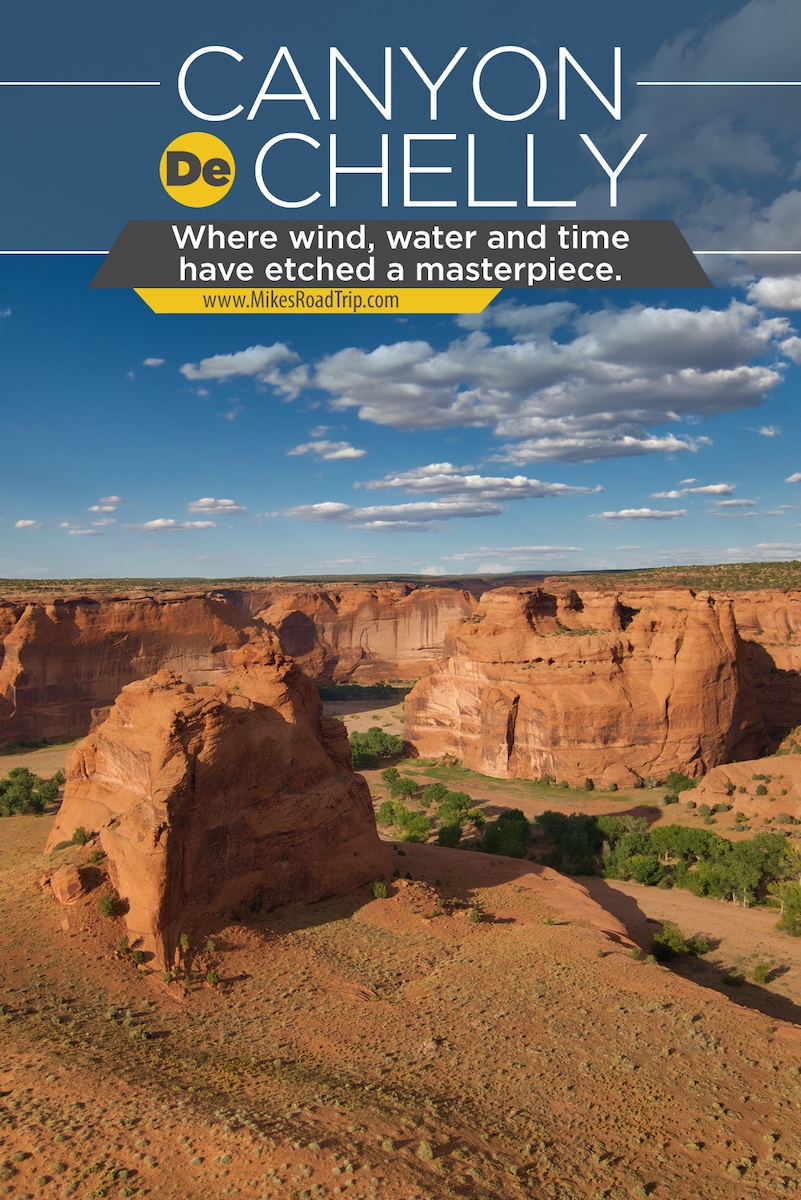
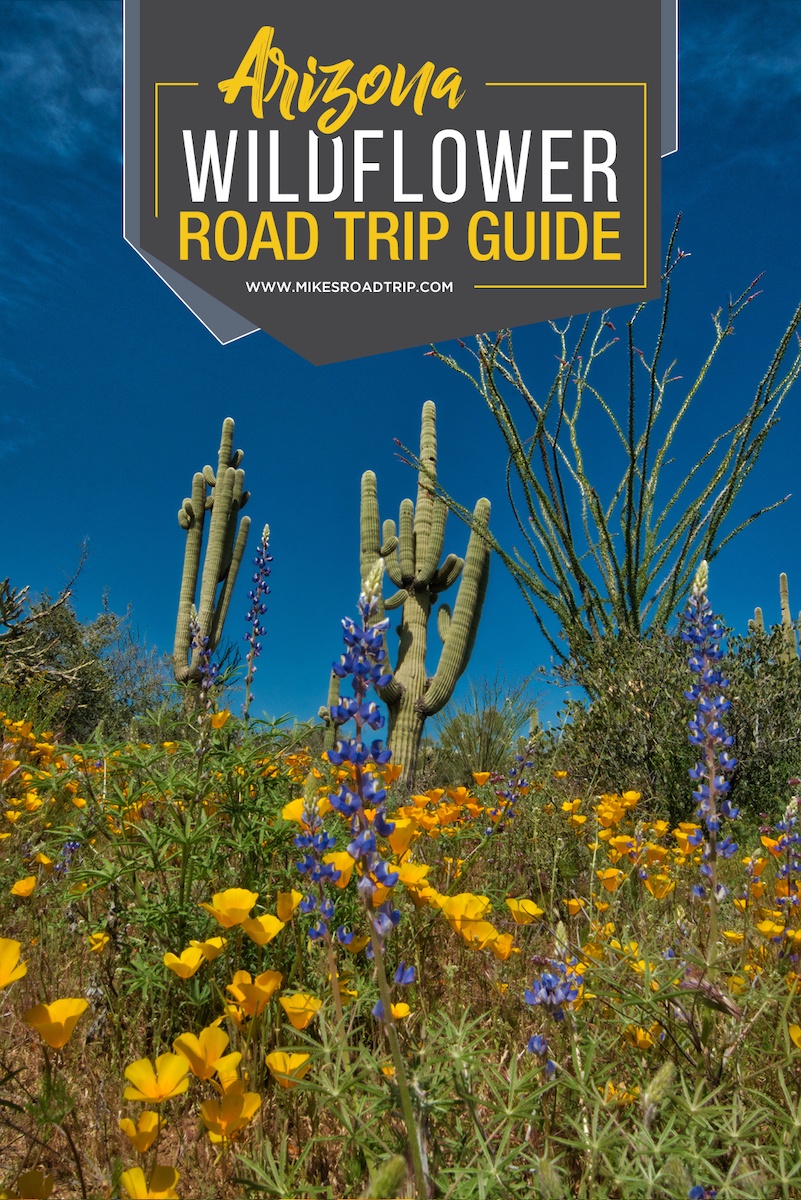
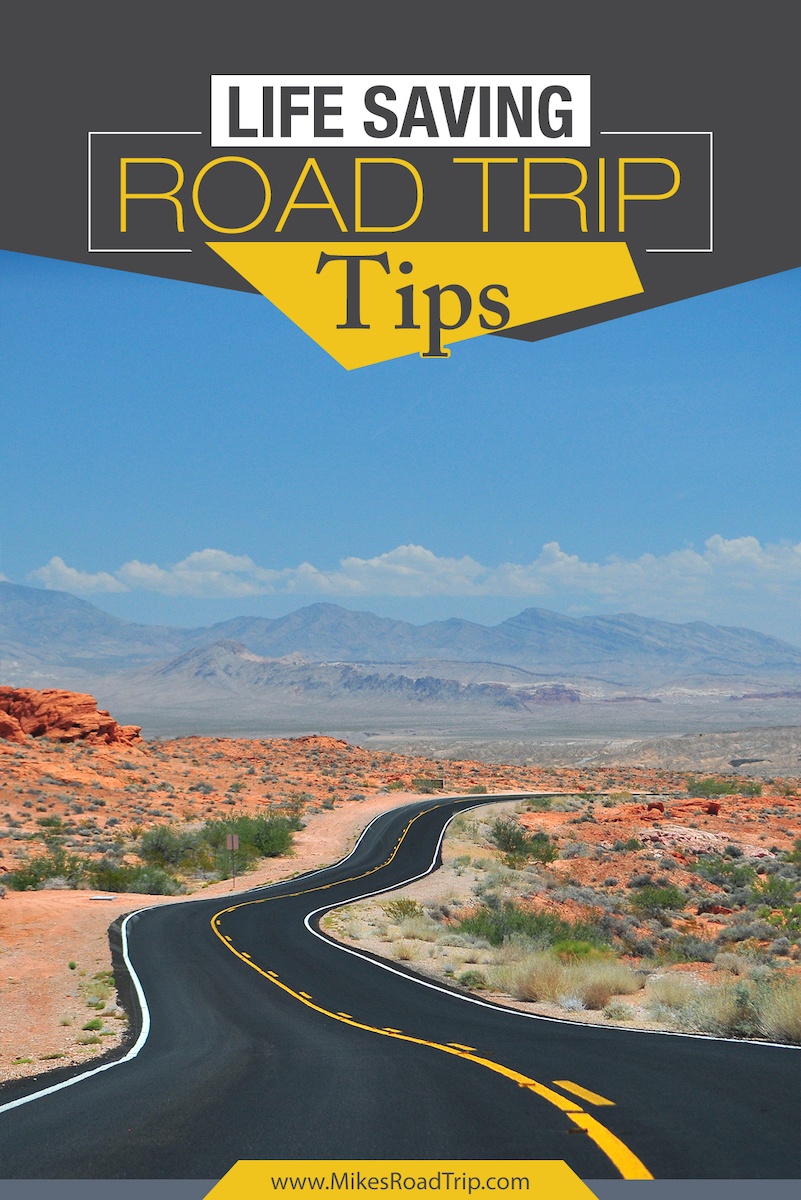
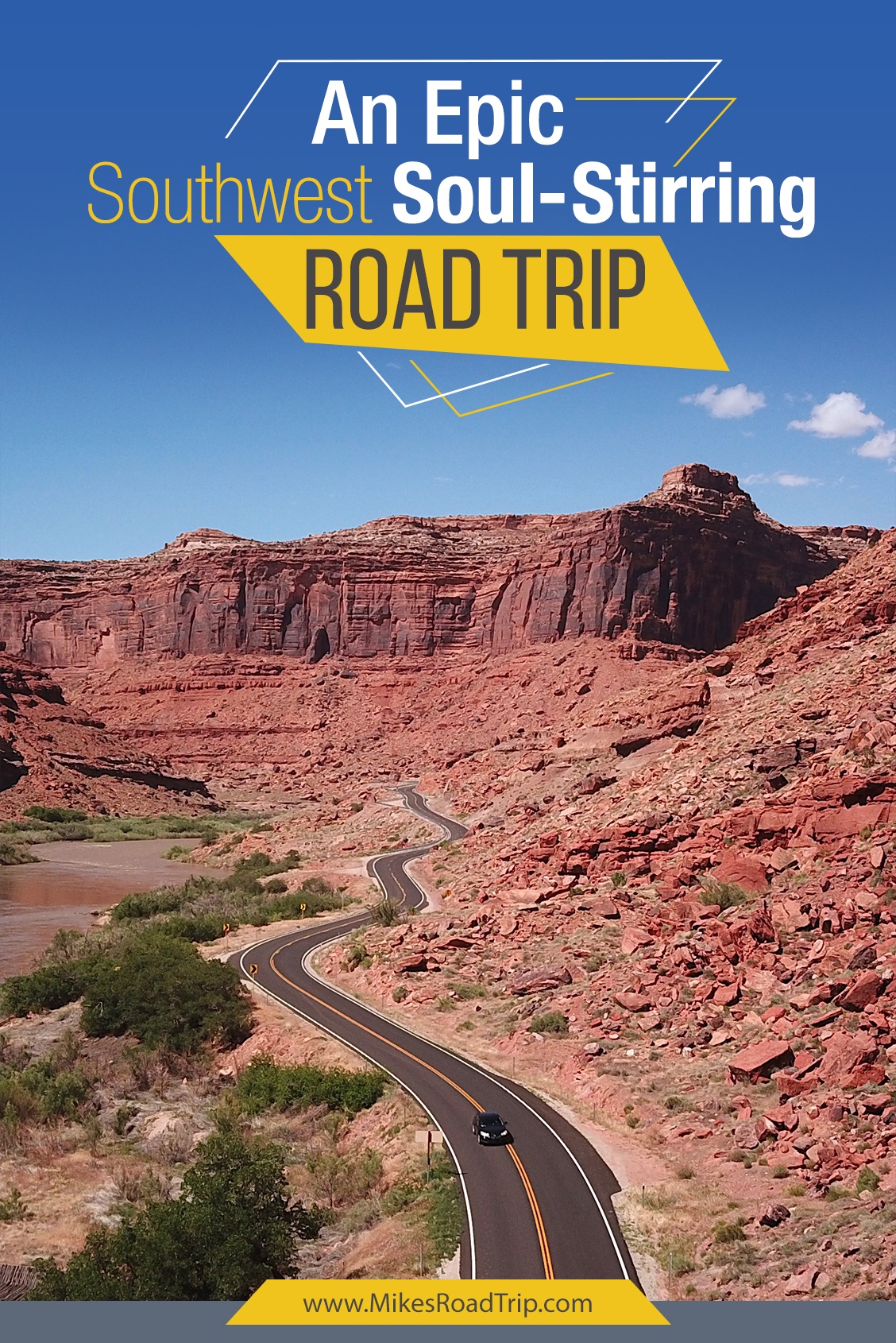
Route 66 through Arizona and New Mexico works well in short sections. The sky can be huge, especially away from bigger towns. The challenge is distance between services, so fuel should never sit near empty.
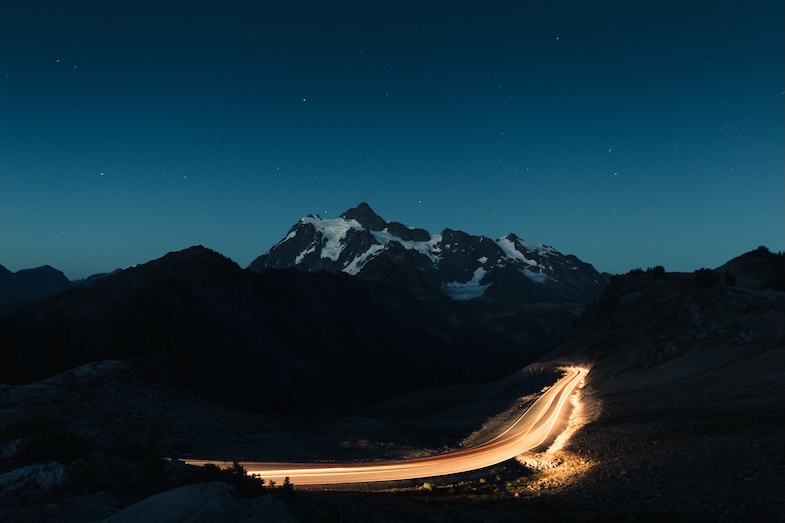
The Pacific Coast Highway in California suits a sunset drive better than a deep-night push. Stop before the road gets too tiring, because fog and coastal curves need attention. A short coastal section is enough after dark. Pick one or two overlook stops, then turn back before fog or fatigue starts deciding for you.
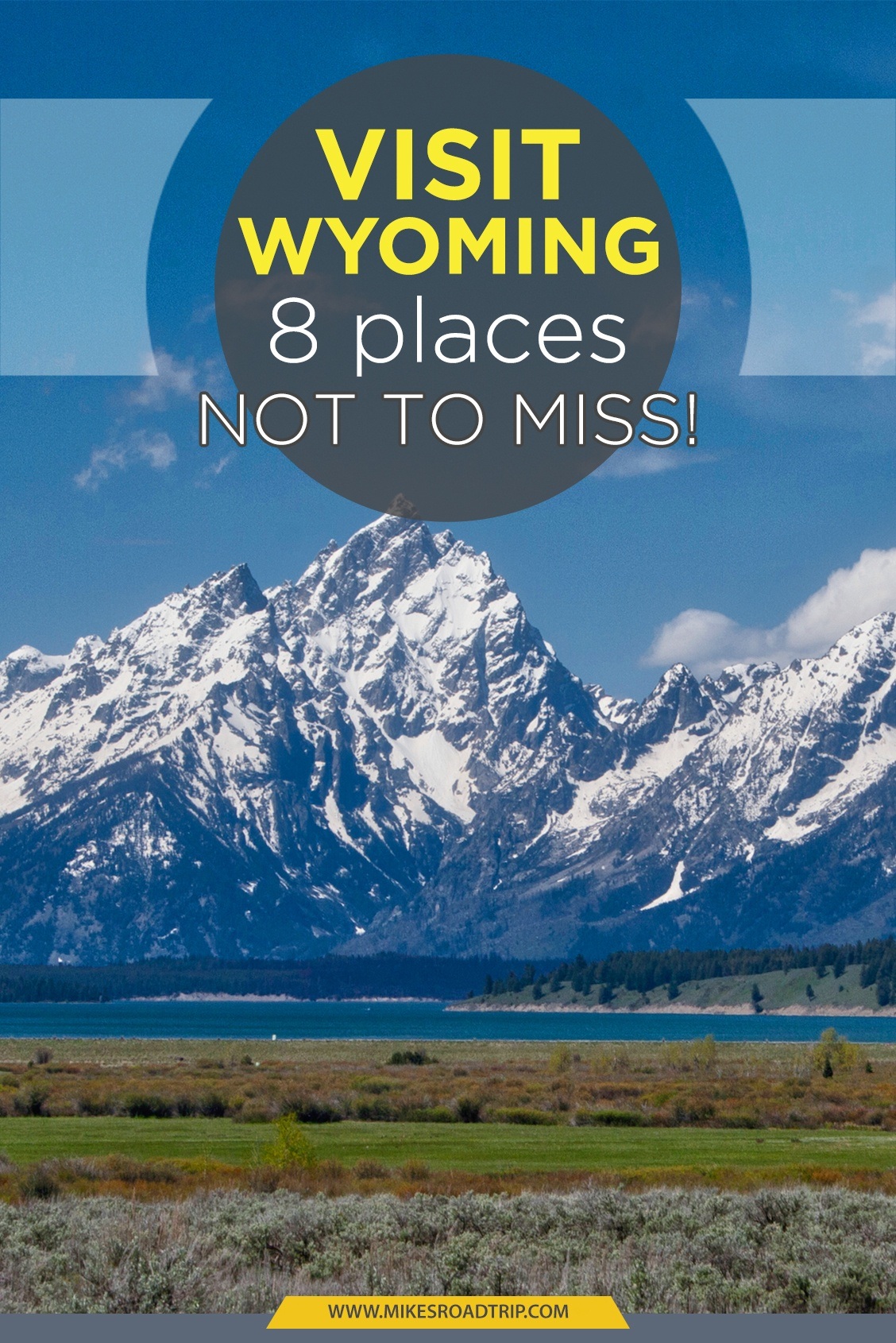
Beartooth Highway is different. In clear weather, the Montana-Wyoming stretch gives high, dark sky and empty road drama. Check the forecast before committing to Beartooth. Outside includes Beartooth among its serious scenic roads for good reason. It is high and exposed. After sunset, cold air, elk near the road, or one wet bend can change the drive fast.
Gear you will actually reach for at 11 p.m.
Night driving punishes bad packing. If the charging cable is under a duffel, nobody will dig for it on a shoulder. Keep the headlamp, cable, warm layer and printed route notes in the front or behind the passenger seat. Before leaving town, check this:
- Windshield and mirrors. Clean them before sunset, not at the first gas stop in the dark.
- Headlights. Test low beams, high beams and brake lights against a wall.
- Offline map. Download the route, then screenshot the next two fuel stops.
- Power. Keep one charged power bank outside the luggage.
- Roadside stop. Pack a reflective vest, triangle and headlamp together.
- Weather layer. Bring a hoodie or shell even after a hot desert day.
- Water and cash. Some late-night stations have broken card readers or closed stores.
Keep the useful stuff in one pouch: charger, lip balm, eye drops, tissues, flashlight and printed notes. Before the remote stretch, choose your last gas stop and one place where you can turn back or sleep if the road feels wrong.
When to stop instead of pushing through
Bad weather is the easiest reason to quit early. Fog, black ice, heavy rain or tired eyes can turn an empty road ugly fast. Stop at the next safe town, gas station or motel instead of trying to “make up time.”
Before the remote section, tell someone your route and latest check-in time. On forest roads, open range and mountain bends, drive slower than feels necessary. A good night drive is one you can end whenever the road stops feeling right.
Mike Shubic


![Top-5 Best Places to visit in Belgium beyond Brussels [video included]](https://mikesroadtrip.com/wp-content/uploads/2020/07/Pin-6b.jpg)
![Top-10 Most Interesting Facts about Arizona [Video Included]](https://mikesroadtrip.com/wp-content/uploads/2020/07/Pin-2.jpg)