South America Travel: Everything You Need to Know Before You Go
South America receives over 30 million international tourists each year. US travelers are among the most frequent visitors, drawn by the continent’s diversity: 12 countries, three climate zones, and landscapes ranging from the Amazon basin to Patagonian glaciers. Whether you’re planning a two-week trip or a months-long overland journey, the preparation makes the difference. Here’s what actually matters.
South America Travel: Which Countries Are Worth Your Time?
Not all destinations require the same level of planning or budget. Here’s a realistic breakdown:
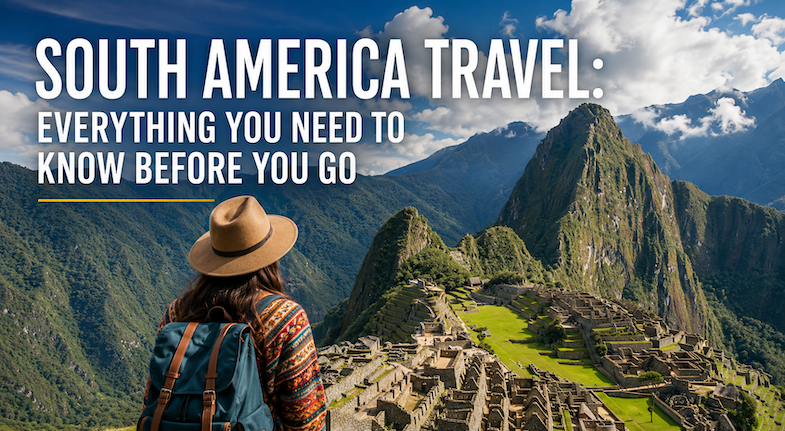
Peru is the most visited country in South America for first-timers. Machu Picchu, the Sacred Valley, and the Colca Canyon deliver a high return on time invested. Lima is one of the best food cities in the world, full stop.
Colombia has transformed dramatically over the past decade. Medellín, Cartagena, and the Coffee Region attract travelers looking for culture, nightlife, and outdoor adventure. It’s now one of the most cost-effective destinations on the continent.
Argentina suits travelers who want a European feel with South American flair. Buenos Aires, Patagonia (El Chaltén, Bariloche), and wine country in Mendoza are the main draws. One caveat: the peso’s volatility means cash exchange rates can significantly impact your budget.
Chile is the safest and most infrastructure-friendly country in South America. Atacama Desert, Torres del Paine, and the Carretera Austral are world-class destinations. It’s also the most expensive.
Brazil offers unmatched scale: the Amazon, Pantanal, Iguazu Falls, and cities like Rio de Janeiro and São Paulo. Visa-free for US citizens since 2024.
Ecuador is often underrated. Small in size, enormous in variety: the Galápagos Islands, Quito’s colonial center, and the Amazon in a single trip.
South America Travel: Visa Requirements for US Citizens
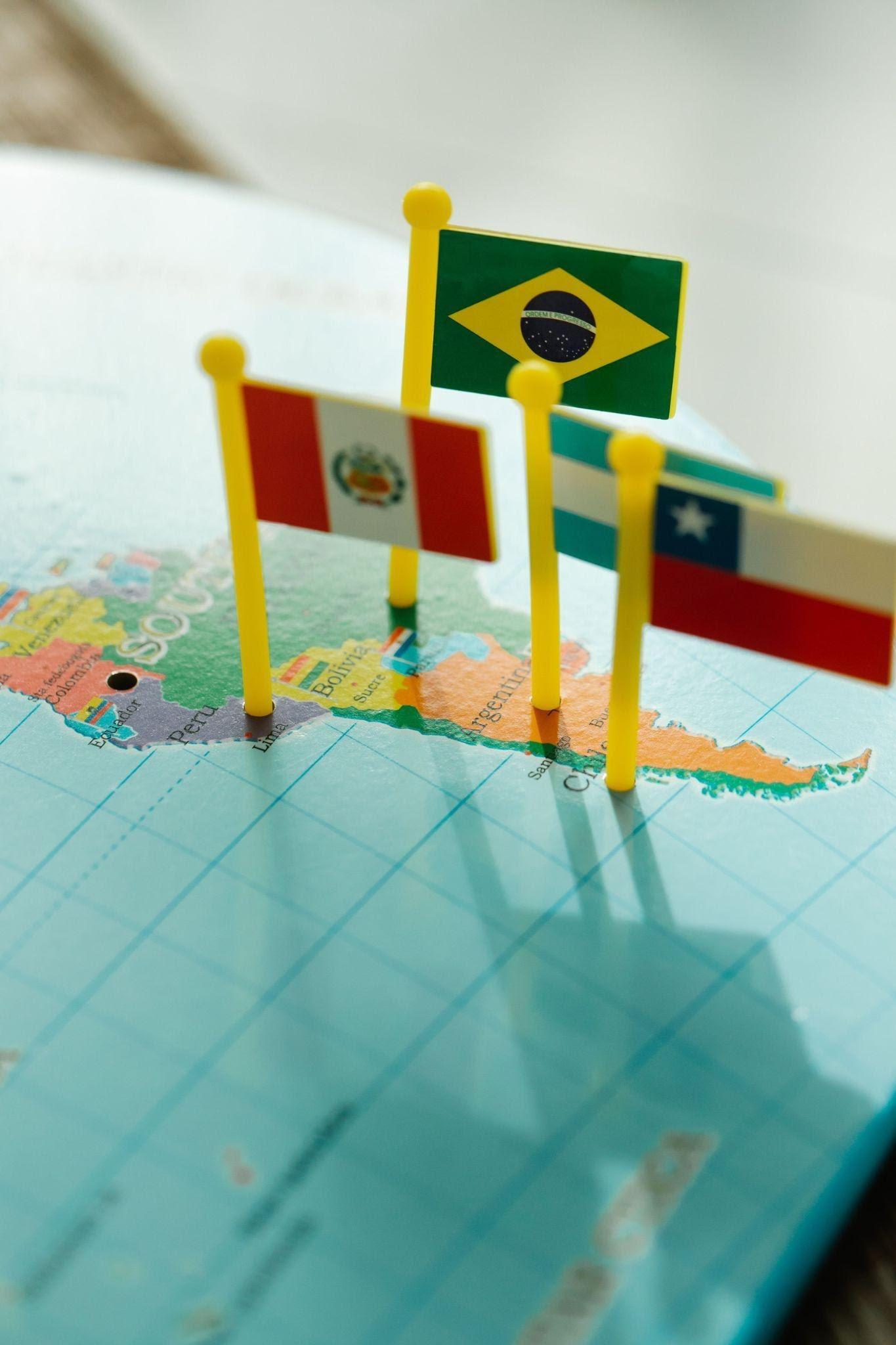
Most South American countries do not require a visa for US passport holders for stays under 90 days. Key exceptions and nuances:
- Brazil: Visa-free as of January 2024.
- Bolivia: US citizens required a visa until 2024, when the policy was updated. Check the current status before booking.
- Venezuela: Not recommended for travel; the US State Department issues a Level 4 advisory.
Always check the official US State Department travel advisories before departure.
Best Time to Travel to South America
South America is in the Southern Hemisphere, which inverts seasons relative to North America.
- Patagonia (Chile/Argentina): November to March (Southern Hemisphere summer).
- Peru and the Andes: May to September (dry season).
- Brazil’s Amazon and Pantanal: July to October (dry season, best for wildlife).
- Colombia: Year-round, though December to March and June to August see the least rainfall.
Shoulder seasons often offer the best balance of fewer crowds and manageable prices.
Practical Tips Before You Land
Currency and payments. Cash is king in rural areas. In Argentina, always use official exchange channels. USD is accepted in some Peruvian and Ecuadorian tourist zones.
Health. Yellow fever vaccination is required or strongly recommended for parts of Brazil, Peru, Ecuador, and Colombia. Altitude sickness is a real risk above 3,000 meters. Acclimatize properly in Cusco or La Paz before strenuous activity.
Connectivity. Roaming fees from US carriers in South America can be steep. Picking up a local SIM at each country’s airport works, but it’s a logistical hassle when crossing borders. Many travelers now use a best eSIM option — Holafly is one of the most popular — that covers multiple countries under a single plan, activated before you leave home.
Safety. Petty theft and phone snatching happen in most major cities. Use hotel safes, carry copies of your passport, and avoid displaying expensive gear. Colombia and Peru are significantly safer than media coverage often suggests, particularly in tourist corridors.
FAQ: South America Travel
Do I need travel insurance for South America?
Yes. Medical evacuation from remote areas of the Amazon or Patagonia can cost tens of thousands of dollars. Comprehensive travel insurance is non-negotiable.
How long do I need to visit South America?
Two weeks is enough for one country done well. Three to four weeks allows a two-country itinerary. A proper multi-country overland trip realistically needs six weeks or more.
Is South America safe for solo travelers?
Yes, with precautions. Solo travel is common, and solo female travelers do it regularly. Research neighborhood-level safety for each city, not just country-level ratings.
Can I drink the tap water?
No, in the vast majority of destinations. Stick to bottled or filtered water, especially in rural areas.
Mike Shubic






![Top-5 Best Places to visit in Belgium beyond Brussels [video included]](https://mikesroadtrip.com/wp-content/uploads/2020/07/Pin-6b.jpg)
![Top-10 Most Interesting Facts about Arizona [Video Included]](https://mikesroadtrip.com/wp-content/uploads/2020/07/Pin-2.jpg)