
Viking Ocean Cruise: Tracing the Wonders of the Ancient World
It was early October 2025, and the Mediterranean still held the warmth of summer even as the days began to shorten. After nine months of anticipation, my girlfriend Jodi and I were finally setting out on a journey we had dreamed about for the past year. Our bags were packed, my camera batteries charged, and our excitement barely contained. Ahead lay an extraordinary voyage through the ancient world aboard a Viking Ocean Cruise…a trip that would begin in Athens, the cradle of democracy, and end in Istanbul, a city that straddles continents and centuries. Between them stretched the Aegean, dotted with storied ports, each holding fragments of civilization’s earliest chapters.
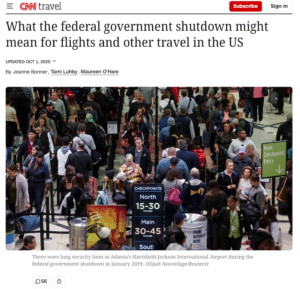
Before our adventure aboard the Viking Jupiter could truly begin, a few complications threatened to derail the excitement. Just days before our flight, the U.S. government announced a potential shutdown that could disrupt air travel. Then, as if on cue, our host in Athens informed us that Greece’s entire transportation sector was going on strike…the very day we were set to arrive. Our carefully arranged airport transfer evaporated overnight, and for a moment, it felt as though our long-awaited trip might end before it started.

We had planned to arrive in Athens a few days before embarkation to explore the city on our own. Viking offers wonderful pre- and post-cruise extensions that include seamless airport transfers and curated experiences, but we decided to handle the arrangements ourselves this time. In hindsight, had we just booked the extension through Viking, we could have avoided the stress and uncertainty altogether—their team would have met us at the airport, luggage in hand, and delivered us directly to our accommodations. Instead, we scrambled to secure a private black-car service, the only remaining option once the strike shut down public transportation. Thankfully, everything went off without a hitch, and by the time we arrived at our Airbnb, the chaos had given way to relief and excitement for the journey ahead.
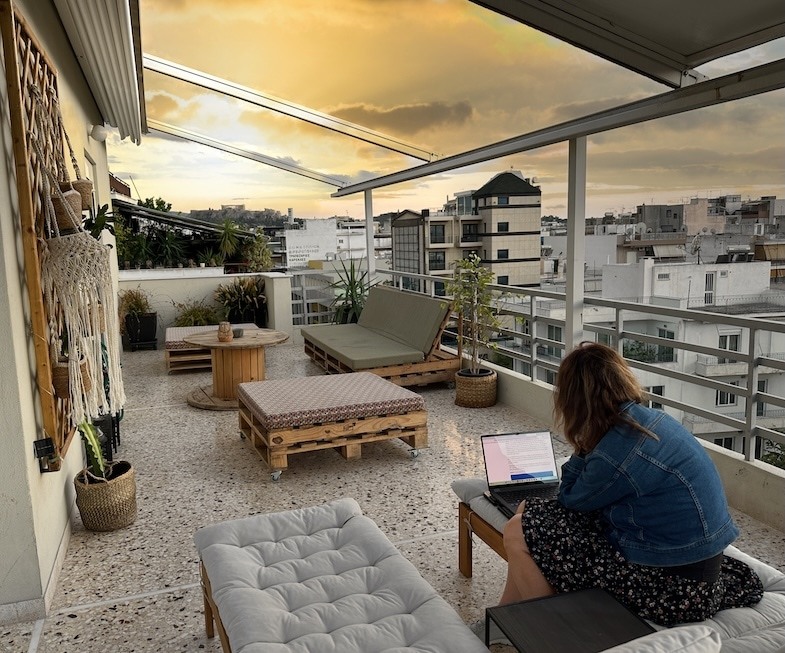
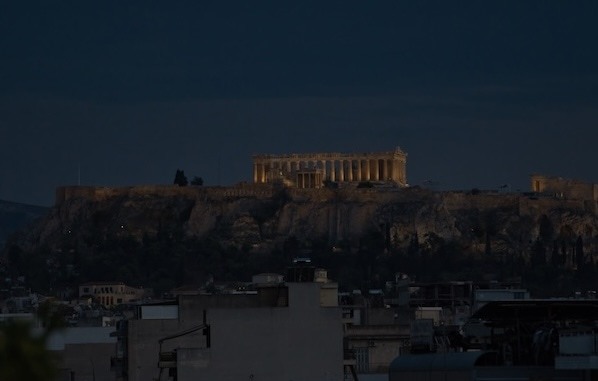
By the time we reached our accommodations, the city was bathed in the soft amber light of early evening. The long day of travel and uncertainty had finally given way to calm. After settling in, we stepped out onto the balcony to take in our surroundings. From our top-floor terrace, the Parthenon rose in the distance, glowing gold against the deepening dusk. That view alone was worth every bit of effort it took to get there. We stood quietly for a moment, letting it all sink in…we were in Athens, a city where marble ruins and modern life coexist in a timeless rhythm.
Exhaustion soon overtook excitement. After a quick search for food and provisions, which were limited in our northwest neighborhood, we called it a night. Jet lag yielded to a surprisingly restful sleep, and by morning, we were ready to explore.
Athens: A City Steeped in Time
The first full day began with some strong Greek coffee and a ticket for a Hop-On Hop-Off bus. It’s not the most romantic way to see a city, but it offered easy access to the heart of ancient Athens, which was helpful given the proximity of our accommodations. The streets were a vibrant mix of chaos and charm: scooters weaving through traffic, shopkeepers sweeping stoops, and the smell of roasted meat curling through the morning air.
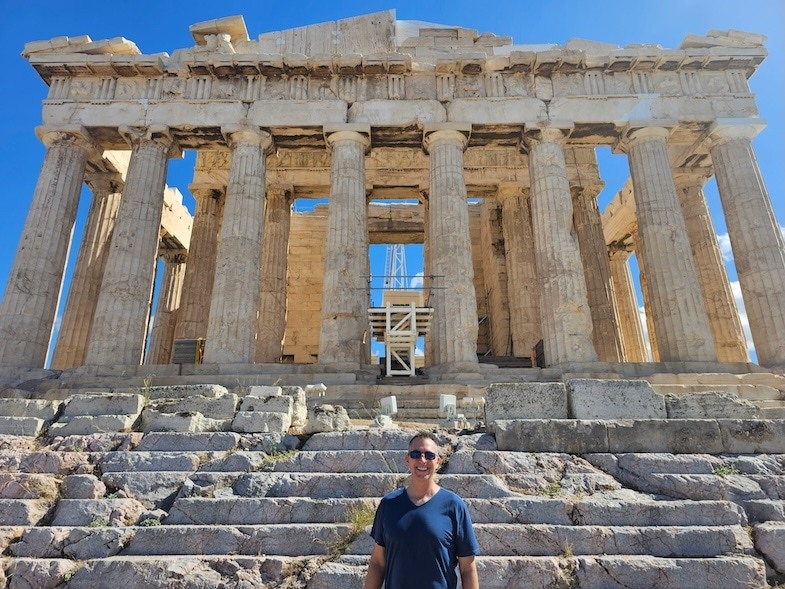
We disembarked near the base of the Acropolis and began the slow climb toward the Parthenon. The marble steps were curved and worn smooth from centuries of footsteps. Around us, columns rose toward the blue Athenian sky, fractured yet defiant. Standing there, it was impossible not to feel a sense of awe. The Parthenon may be a ruin, but its proportions are so perfect that even in decay, it commands reverence.
After wandering the grounds, we descended into the district of Plaka, a labyrinth of narrow lanes lined with shops, cafés, and homes painted in soft hues of cream and ochre. It’s a lively, stylish neighborhood that feels both ancient and modern. In one of the shops, I found a craftsman selling handmade leather purses…elegant, simple, and unmistakably Greek. I bought several to bring home as gifts.
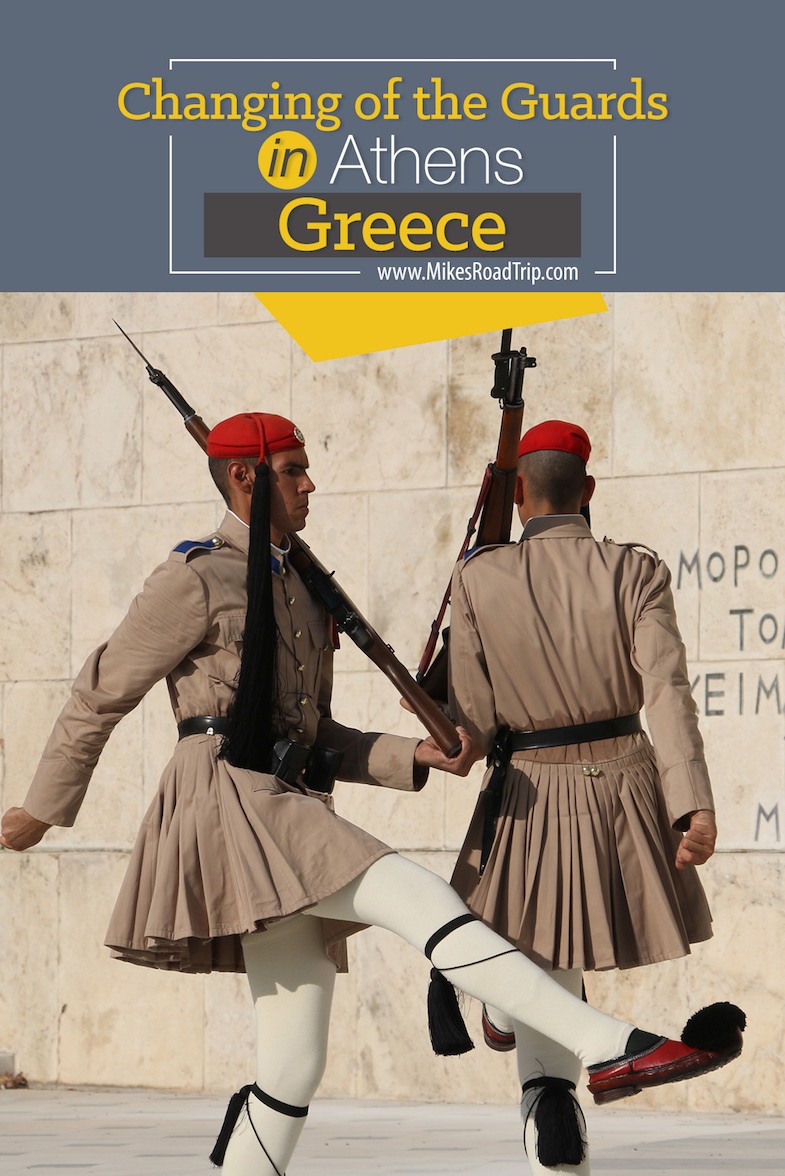
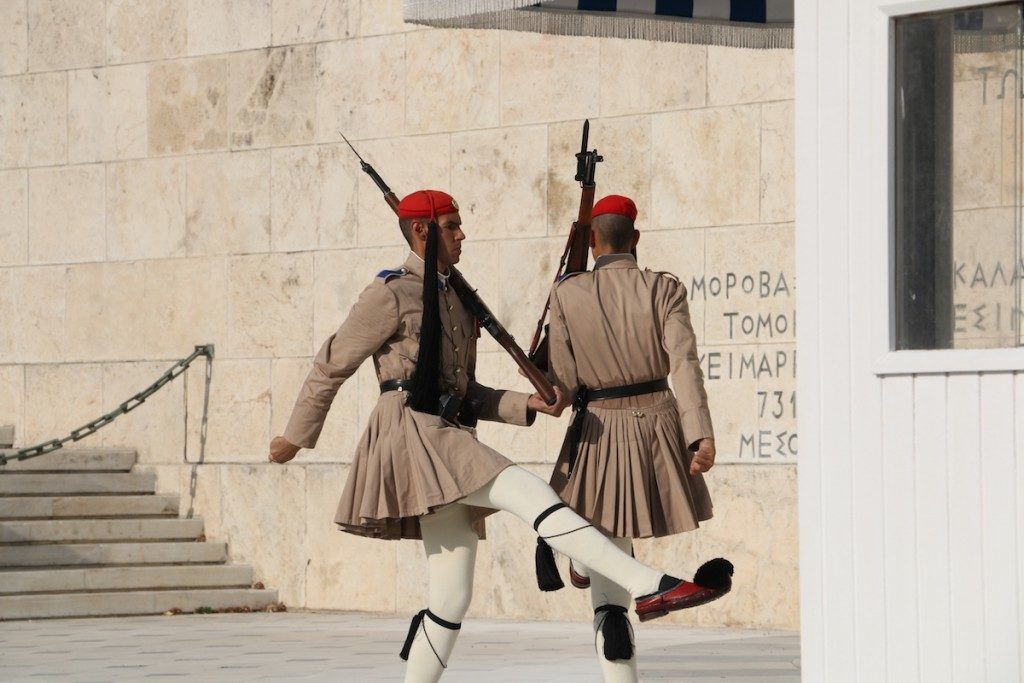
The next day, we continued our exploration with a visit to the Acropolis Museum, a masterpiece of architecture in its own right. Floor-to-ceiling glass offers striking views of the Parthenon above, while beneath your feet, sections of the floor are transparent, revealing excavations from earlier centuries. From there, we wandered to Syntagma Square to watch the ceremonial changing of the guards, a display of tradition that feels more like slow choreography than routine duty. The soldiers’ synchronized movements and solemn expressions captured the gravitas of a proud nation’s heritage. We finished the afternoon with a stroll through the National Gardens, a shaded refuge in the heart of the city.
By the next morning, the strike had ended. We ordered an Uber (which was really just a taxi in Greece) and made our way to the port of Piraeus, where the Viking Jupiter awaited. It felt almost poetic to be boarding her again. I had sailed on the Jupiter once before, back in 2019, when she was brand new and I wrote about that experience in my Northern Europe Viking Vacation article. That journey through the fjords and coastal cities of Scandinavia left a lasting impression…the ship’s elegance, the impeccable service, and the way Viking turns travel into something both enriching and effortless. To find myself stepping aboard the same vessel six years later, this time bound for the ancient world, felt like closing a beautiful circle.
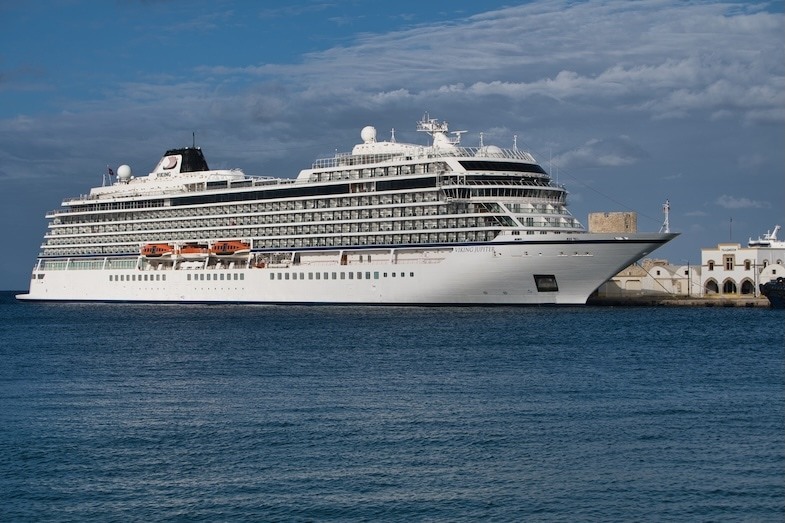
Embarking on the Viking Jupiter
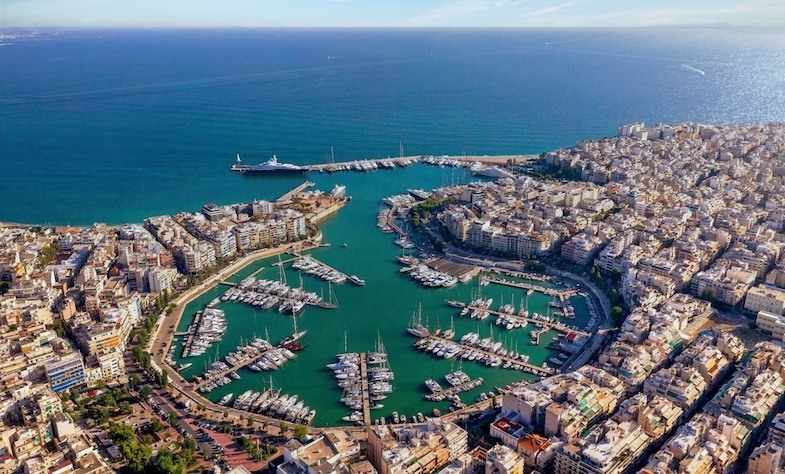
The moment we stepped aboard, a sense of calm washed over us. Viking’s ships are designed for serenity—sleek Scandinavian interiors, soft lighting, and panoramic views at every turn. After checking into our stateroom, we ventured ashore for a short walk through Piraeus. The port city felt more polished than Athens, with an air of quiet affluence. We discovered Marina Zea, a curved harbor lined with luxury yachts and chic cafés. The scene could have easily been Monaco, yet it retained a distinctly Greek charm.
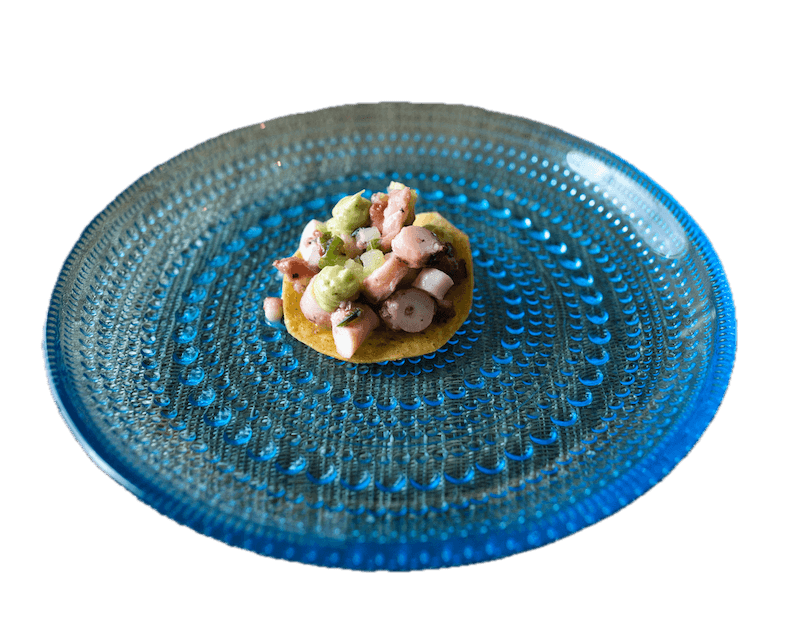
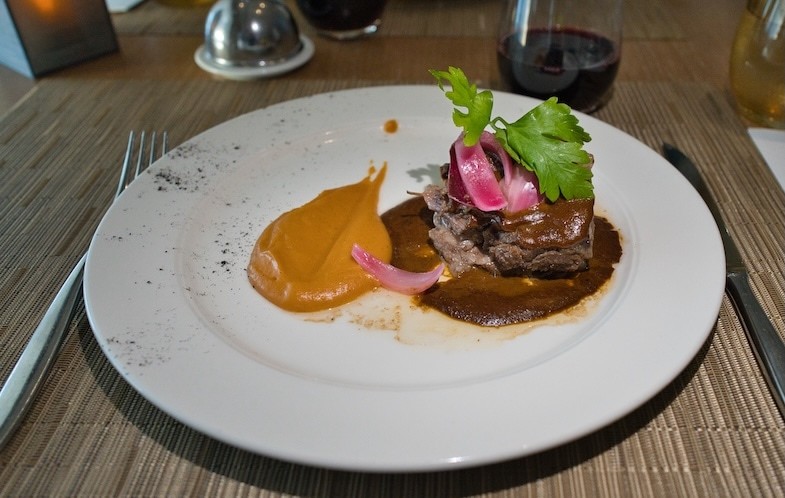
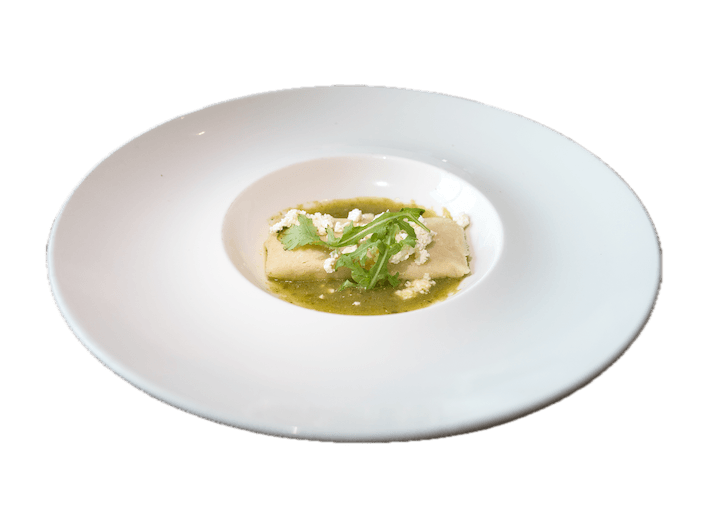
Back on board, we spent the afternoon exploring the ship before dinner at The Chef’s Table. Each evening features a themed tasting menu, and ours was a culinary journey through Mexico—octopus tostadas, tamalitos de pollo, and short ribs in a rich mole sauce. Each course was beautifully presented and paired with thoughtful commentary on its origins. It was a sensory immersion that set the tone for the voyage ahead.
Crete: Island of Myths and Monasteries
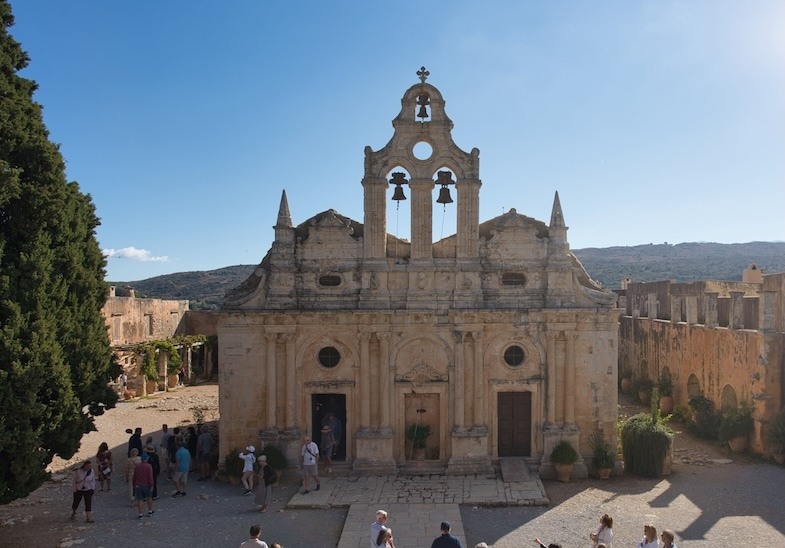
At dawn, the Jupiter glided into the port of Heraklion on the island of Crete. The sky was brushed with pink, the air thick with the scent of the sea. Our optional shore excursion began with a drive through olive groves and rolling hills toward the Arkadi Monastery, a honey-colored stone complex that has stood for centuries as a symbol of Cretan resilience. Its quiet courtyards and arched cloisters conceal a turbulent past, including a tragic act of defiance during the Ottoman occupation.
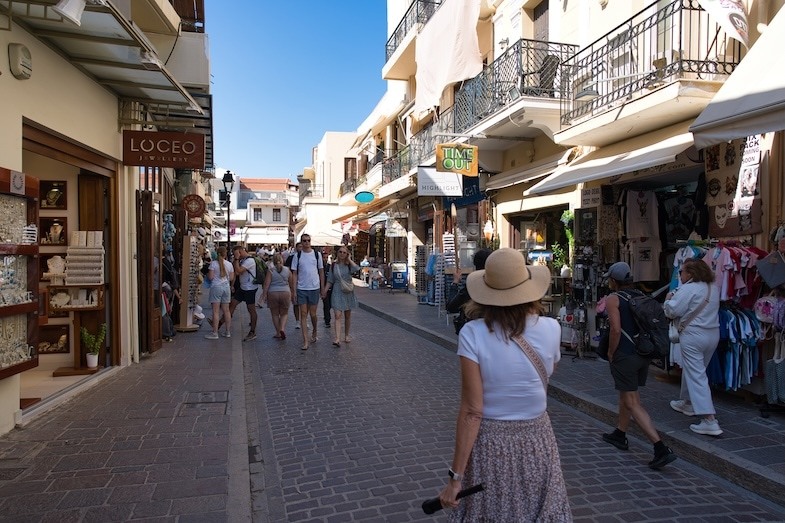
Afterward, we continued to the old Venetian town of Rethymno, a picturesque blend of Italian architecture and Greek soul. The narrow streets were lined with bougainvillea and shaded cafés where locals lingered over espresso (Greek Coffee). We wandered the waterfront, pausing to watch fishermen mend their nets before returning to the ship in time for Viking’s famous afternoon High Tea. Served in the tranquil Winter Garden, it was a scene of utter refinement…fine china, classical live music, and the scent of freshly baked scones mingling with the aroma of Earl Grey.
Rhodes: Fortress of the Crusaders
By sunrise the next day, we had reached the island of Rhodes. This was once the stronghold of the Knights of St. John, and their legacy still defines the skyline. Our shore excursion took us first to Mount Filerimos, where panoramic views stretched across the island to the distant sea. Then we descended to the Old Town, enclosed by massive medieval walls that seem to breathe history.
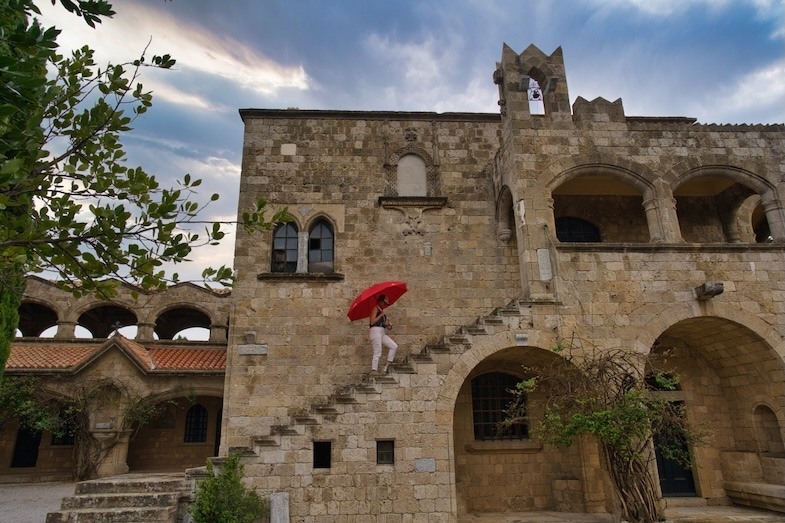
We entered through one of the great gates and made our way to the Palace of the Grand Masters. Inside, mosaics shimmered under soft light, and stone corridors led to vast halls that once hosted knights and dignitaries from across Europe. Outside, we followed the Street of the Knights, perfectly preserved with its arched façades and heavy wooden doors. Even the moat below has been transformed into a walking path, allowing visitors to trace the city’s defensive lines. As we explored we discovered a couple of “secret” passage ways that led through the fortified wall, back into the old city. It was a thrill walking these ancient and hallowed grounds.
That evening, after dinner, we joined fellow passengers in the Star Theater for a lively concert by the ship’s band. They performed songs from southern American legends such as Johnny Cash, Dolly Parton and Shania Twain. It was a whimsical yet fitting contrast to a day steeped in ancient and medieval history.
Ephesus: The Echo of Empires
Morning light revealed the Turkish coastline as we approached the port of Kuşadası. Here lay one of the most remarkable sites of the ancient world: Ephesus. Even in partial ruin, it remains staggering in scale and sophistication. The marble streets still bear the grooves of chariot wheels, and the Library of Celsus stands as one of antiquity’s most photographed facades.
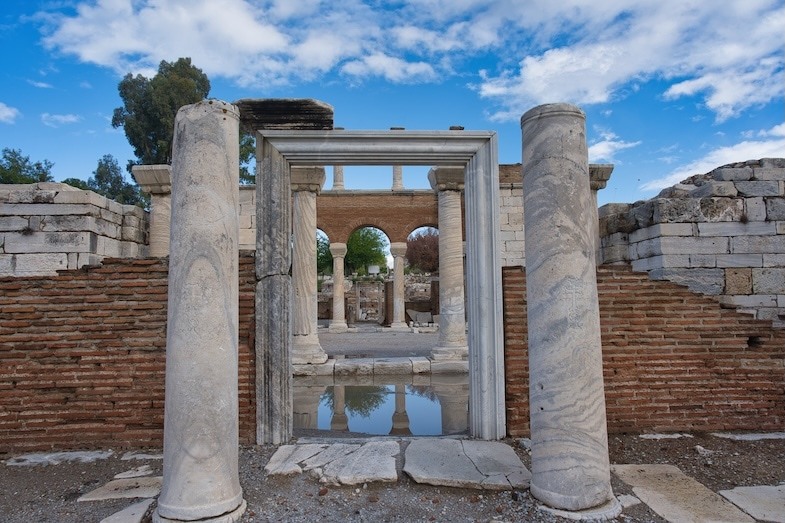
We visited the Basilica of St. John, said to be the final resting place of the apostle, and paused at what is believed to be the site of the Virgin Mary’s home. History, faith, and myth blend seamlessly in this region, and every stone seems to carry a story.
Back on the ship, the afternoon unfolded in the Nordic Spa, alternating between the warmth of the sauna and the chill of the Snow Grotto before a deep-tissue massage that dissolved the miles of walking. Dinner at The Restaurant that evening was flawless…impeccable service, beautifully executed dishes, and the comforting hum of conversation as the ship sailed toward the Dardanelles.
Troy: The City of Legends
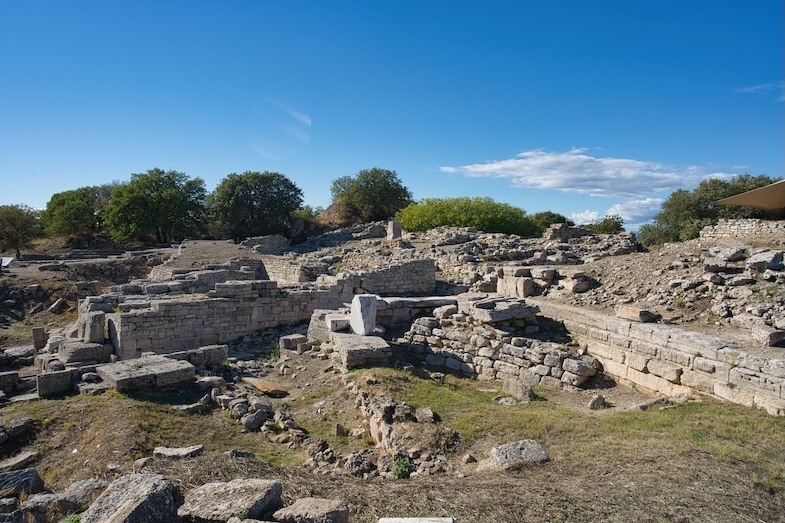
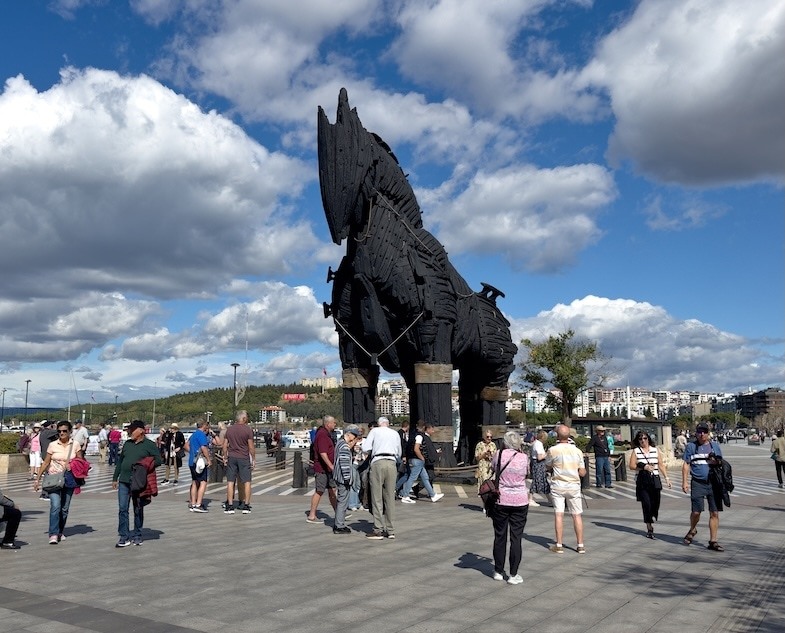
Our next stop was Çanakkale, gateway to the ruins of Troy. Of all the sites on this journey, this was perhaps the most challenging to visualize. The layers of civilization are so deep and fragmented that it takes imagination to reconstruct the city that inspired Homer’s Iliad. Still, standing among those ancient stones, it’s hard not to feel the weight of myth. The replica Trojan Horse near the entrance offered a playful reminder of how legend and history often intertwine.
Istanbul: The Crossroads of Continents
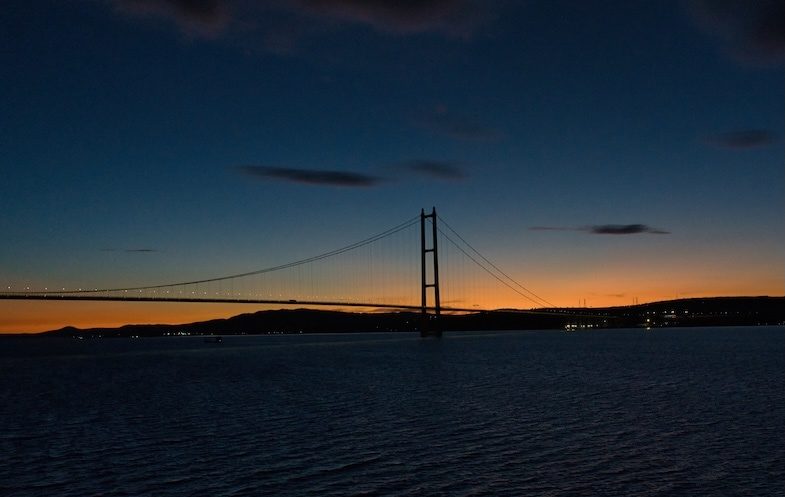
Few cities can match the drama of sailing into Istanbul. As the Jupiter approached the Bosphorus, the skyline emerged like a painted tapestry—domes, spires, and the faint call to prayer drifting over the water. The ship glided past fishing boats and ferries, the morning light reflecting off the surface. It was one of those moments when travel feels utterly cinematic.
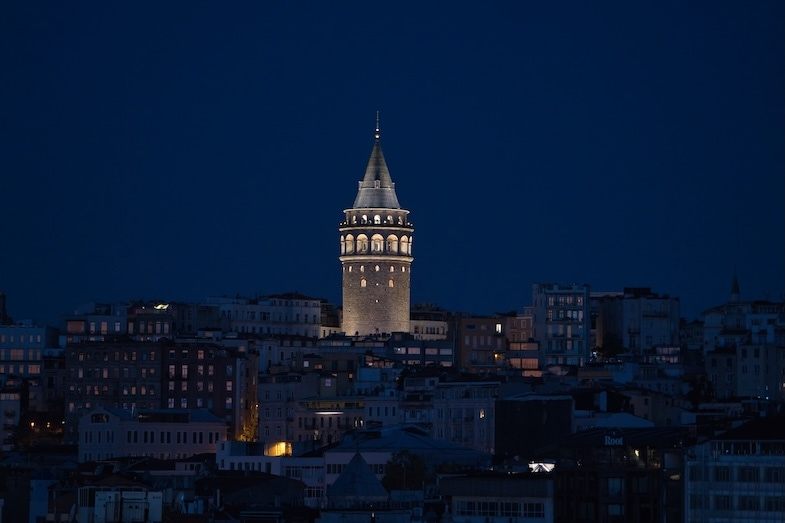
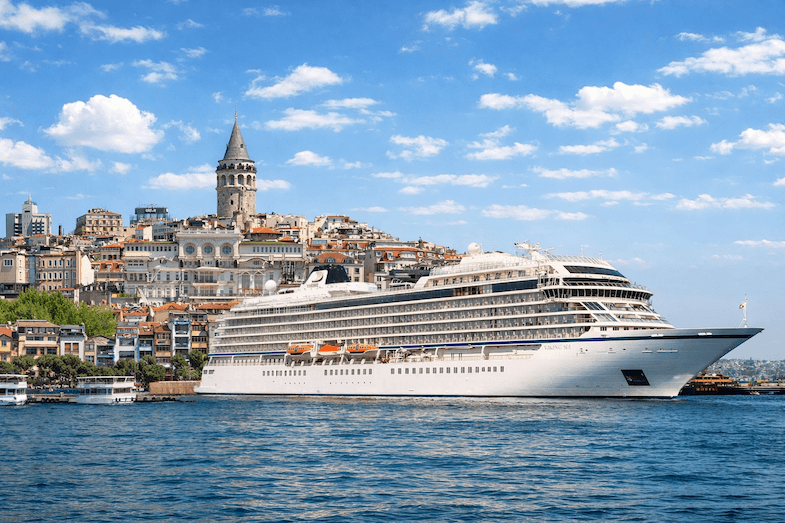
Before disembarking the next day, Viking offered a panoramic city tour of Istanbul. We boarded a comfortable coach and began from the northern side of Pera-Galata, where the ship was docked, crossing the Golden Horn toward the storied old city. Our guide was engaging and full of insight, pointing out remnants of the ancient walls that once protected Constantinople and sharing anecdotes about the city’s layered history. Along the way, we visited the Rüstem Paşa Mosque, a true hidden treasure of Ottoman design. Its interior is adorned with thousands of brilliant İznik tiles in shades of blue, turquoise, and emerald, their floral and geometric patterns glowing in the filtered morning light. Though smaller and less famous than the Blue Mosque, its artistry felt even more intimate and intricate.
We continued on to a lively market where we learned about the region’s historic rug trade, sampled Turkish delight, and took part in a traditional tea tasting…a ritual that felt both timeless and deeply rooted in local culture. It was a fitting introduction to Istanbul’s rhythm and contrasts, where modern life hums beside relics of empire.
Beyond the Cruise: Discovering Istanbul at Our Own Pace
We disembarked the following morning to begin several days of exploring on our own. Our first accommodation, an Airbnb, was a disappointment—poorly maintained, noisy, and overpriced, so we quickly relocated to a boutique hotel nearby called Aprilis Gold. It proved to be a perfect home-base in the old city, within walking distance to nearly everything we wanted to see.
Armed with a two-day Istanbul Pass, we set out to explore the city’s most treasured landmarks, each one a chapter in the story of empires.
- Hagia Sophia: Once the world’s largest cathedral, the Hagia Sophia remains one of the most extraordinary structures ever built. Its immense dome, suspended seemingly without support, still defies imagination nearly fifteen hundred years after it was first completed. Inside, the blend of Christian mosaics and Islamic calligraphy tells the tale of the city’s transformation from Byzantium to Constantinople to modern-day Istanbul. The golden light filtering through the windows creates an atmosphere that feels both sacred and timeless.
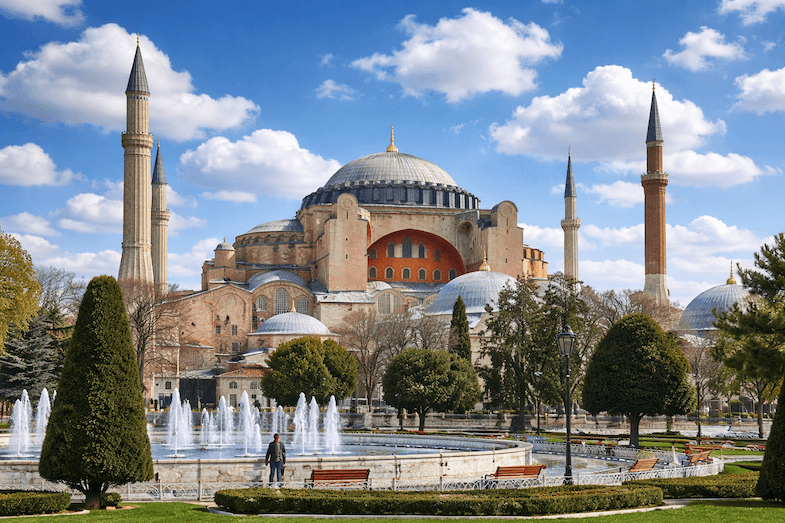
- Blue Mosque (Sultan Ahmed Mosque): Just across the square, the Blue Mosque rivals the Hagia Sophia in beauty and serenity. Its cascading domes and six slender minarets dominate the skyline, while inside, more than 20,000 hand-painted İznik tiles in shades of blue and turquoise shimmer in the light. The scent of incense lingers in the air, and the rhythmic sound of prayer adds to the sense of reverence that permeates the space.
- Obelisk of Theodosius: Just outside the Blue Mosque, in what was once the Hippodrome of Constantinople, stands the Obelisk of Theodosius—an ancient Egyptian monument carved around 1450 BC and later brought to the city by Emperor Theodosius in the 4th century AD. Rising more than 80 feet tall, it’s astonishingly well-preserved, its hieroglyphics still crisp after more than three millennia. Standing before it, surrounded by the domes and minarets of Istanbul, you feel the extraordinary span of human history compressed into a single square.
The next day, we continued our exploration, moving from the grandeur of monuments to the tranquility of gardens and palaces.
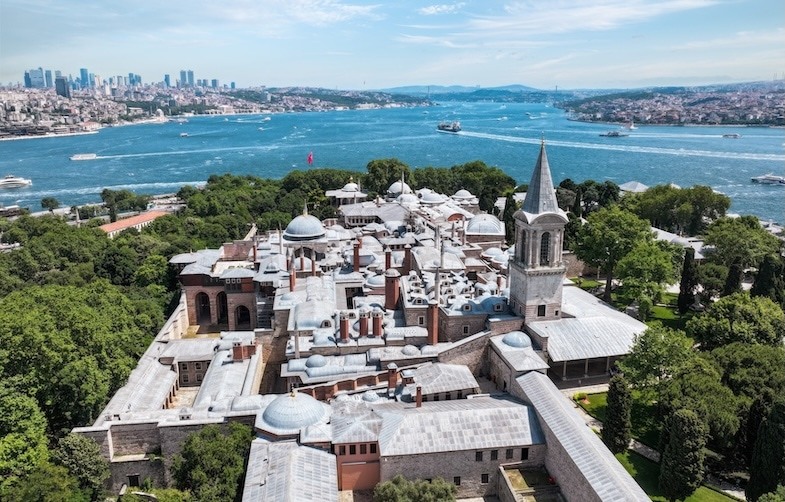
- Gülhane Park: Once the private royal gardens of Topkapi Palace, Gülhane Park is now a peaceful public refuge filled with towering cypress trees, blooming roses, and ornate fountains. Locals strolled hand in hand, children chased pigeons across the cobbled paths, and vendors sold roasted chestnuts beneath the shade. It was a welcome contrast to the bustle of the surrounding city.
- Topkapi Palace: At the edge of the park, the entrance to Topkapi Palace opens into a labyrinth of courtyards, tiled pavilions, and ornate chambers that once housed generations of Ottoman sultans. We wandered through the Harem, the Imperial Treasury, and the lush gardens overlooking the Bosphorus, where peacocks strutted in the sun. The scale and opulence of the palace were staggering—a glimpse into a world of unimaginable power and privilege.
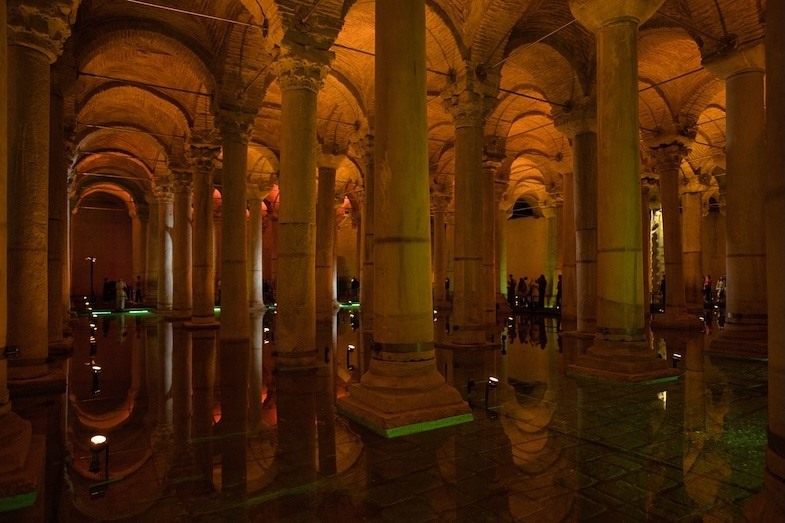
- The Basilica Cistern was another unforgettable attraction we visited. This underground marvel hidden beneath the bustling streets near Hagia Sophia. Built in the 6th century during the reign of Emperor Justinian, this vast subterranean chamber once supplied water to the Great Palace of Constantinople. Today, it’s a cathedral of shadows and reflections—hundreds of marble columns rising from shallow pools that mirror their flickering lights. The air is cool and damp, echoing softly with the sound of dripping water. We wandered through the dimly lit walkways until we reached the famous Medusa heads, repurposed as column bases, their enigmatic expressions watching silently from the darkness. The experience was haunting and mesmerizing, a quiet reminder of how much history lies beneath the city’s surface.
- Grand Bazaar: Before leaving the old city, we couldn’t resist stepping into the Grand Bazaar, one of the oldest and largest covered markets in the world. With more than four thousand shops connected by a maze of vaulted passageways, it’s an experience that’s both extraordinary and overwhelming. The air buzzed with energy—shopkeepers calling out their greetings, the scent of leather, spices, and strong Turkish coffee mingling together. Everywhere we looked, there was color: handwoven carpets stacked like treasure, gleaming brass lamps, intricate ceramics, and gold jewelry glittering under the soft light. It’s the kind of place that dazzles the senses and tests your resolve, where haggling is expected and getting a little lost is part of the adventure.
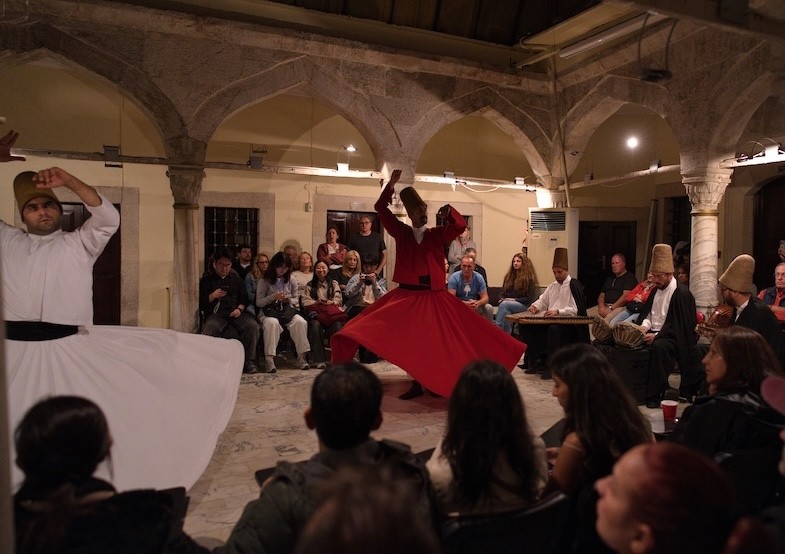
On our final evening, we attended a performance of the Whirling Dervishes (click the previous link to see a video), a tradition rooted in the 13th-century teachings of the Sufi mystic Rumi. The ritual, known as the Sema, symbolizes the soul’s ascent toward divine love and truth. Dressed in white robes and tall felt hats representing the shroud and tombstone of the ego, the dervishes begin with slow, deliberate movements before spinning in perfect harmony to the haunting strains of flute and drum. The rhythm builds, yet the atmosphere remains serene, each rotation a graceful act of devotion. The performance was not merely dance, but prayer in motion…a mesmerizing reminder of Istanbul’s spiritual depth and its long tradition of finding beauty in balance. It was a fitting close to a journey that had been as contemplative as it was scenic.
Reflections on a Voyage
A few days later, while dining on a rooftop terrace across the Bosphorus, we spotted the Viking Jupiter gliding out of port on another voyage. Watching her disappear into the evening haze, we felt both content and wistful. Viking had exceeded every expectation. The service was exceptional, the cuisine remarkable, and the excursions meticulously curated. Yet beyond the luxury, what stood out most was the rhythm of the experience. The seamless movement between ancient worlds and modern comfort, between exploration and ease.
For anyone who dreams of tracing history’s footsteps by sea, this Viking Ocean Cruise from Athens to Istanbul offers more than a vacation. It’s a living connection to the civilizations that shaped us, a voyage that lingers long after the luggage is unpacked.
If you have any questions about this Viking Ocean Cruise from Athens to Istanbul, leave a comment below, I’m happy to help. So, until next time, we’ll see ya on the road…
Mike Shubic





![Top-5 Best Places to visit in Belgium beyond Brussels [video included]](https://mikesroadtrip.com/wp-content/uploads/2020/07/Pin-6b.jpg)
![Top-10 Most Interesting Facts about Arizona [Video Included]](https://mikesroadtrip.com/wp-content/uploads/2020/07/Pin-2.jpg)